who keeps the customer, and who keeps the content
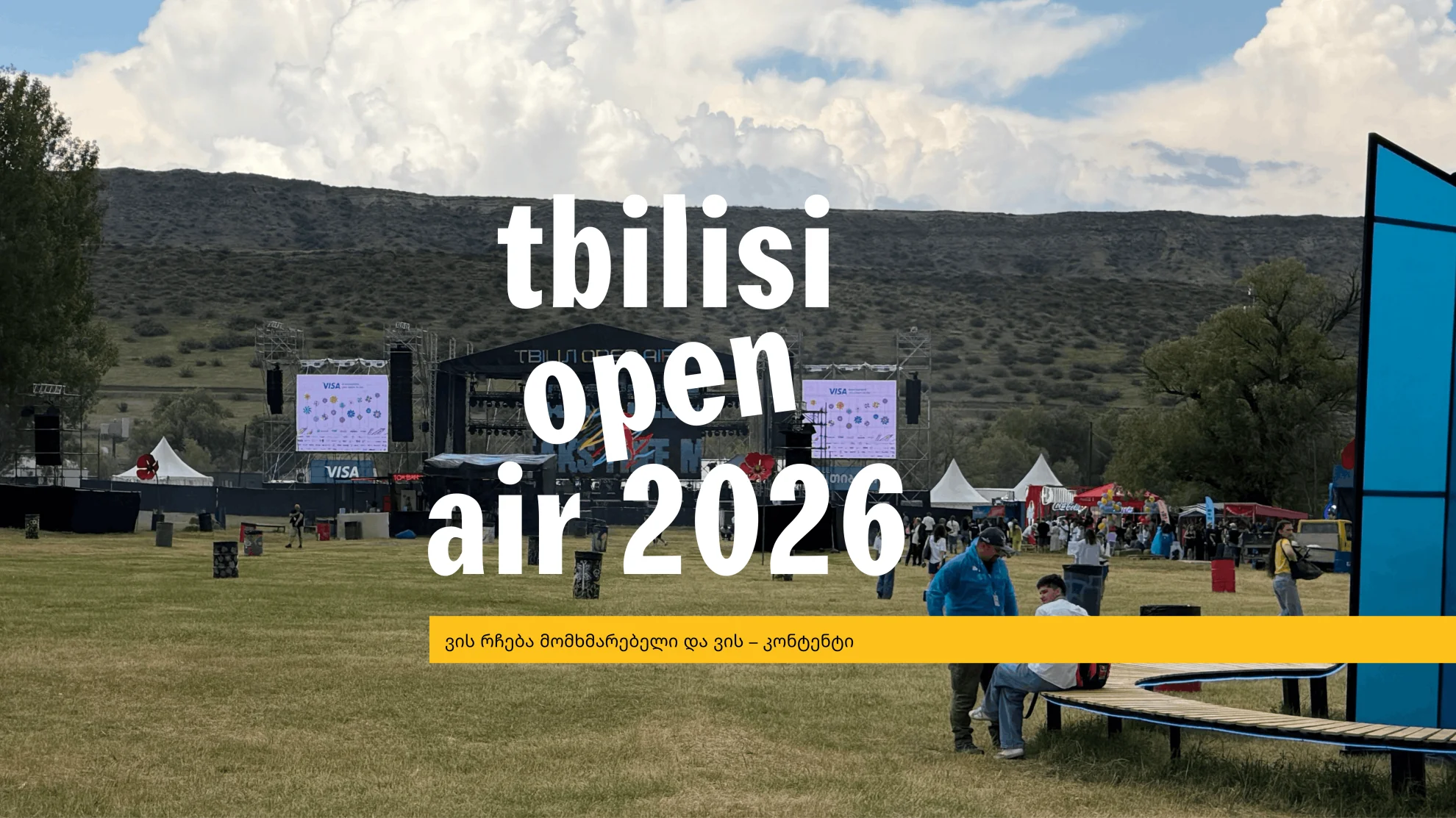
tbilisi open air 2026
Whenever we walk through brand activation areas at festivals, our attention naturally goes in several directions. Yet one question consistently stands out above the rest: which brands are genuinely capable of starting a conversation with their audience, and which ones are simply trying to be seen?
There is a fundamental difference between placing a branded stand at an event and designing a meaningful brand experience. The brands that invite visitors to participate, interact, and engage inevitably become more memorable. Events remain one of the most effective environments for attracting new customers, strengthening loyalty among existing ones, introducing new products and services, and reinforcing brand positioning.
With this perspective in mind, we observed the brands present at Tbilisi Open Air 2026. Here are our key takeaways.
TBC: Extending a digital campaign into the real world
It feels only natural to begin with the festival's main partner, TBC. Although we missed their activation on the first day due to their limited schedule, we managed to experience it on the second.
Just days before the festival, TBC had launched the Treasure Marathon within its mobile banking app - a gamified campaign where four clans compete through daily missions, each offering participants another chance to win cash prizes.
Rather than creating a completely separate festival activation, TBC extended this existing digital experience into the physical space. Festival visitors who completed Treasure Marathon missions on-site earned the opportunity to spin a prize wheel and receive branded rewards.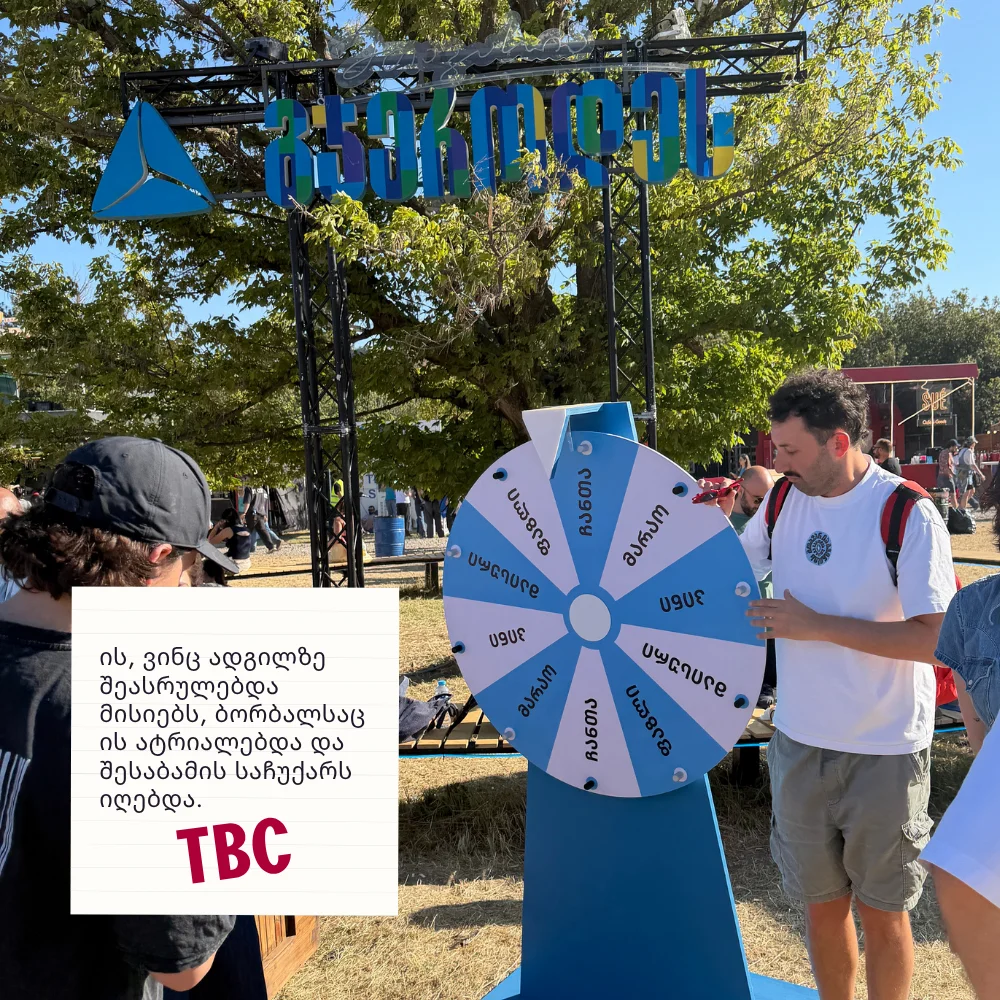
It was a strong example of how offline activations can reinforce an already established customer journey instead of existing as isolated event experiences.
Jacobs: Designing an ecosystem around energy
Jacobs was present throughout the festival, introducing visitors to its new cold coffee product.
This year's concept revolved entirely around the idea of energy - not only as something coffee provides, but as an experience the brand could orchestrate. Guests could enjoy the coffee itself, participate in games, sing karaoke, relax on second-floor swings, and even charge their phones using the charging cables provided at the stand.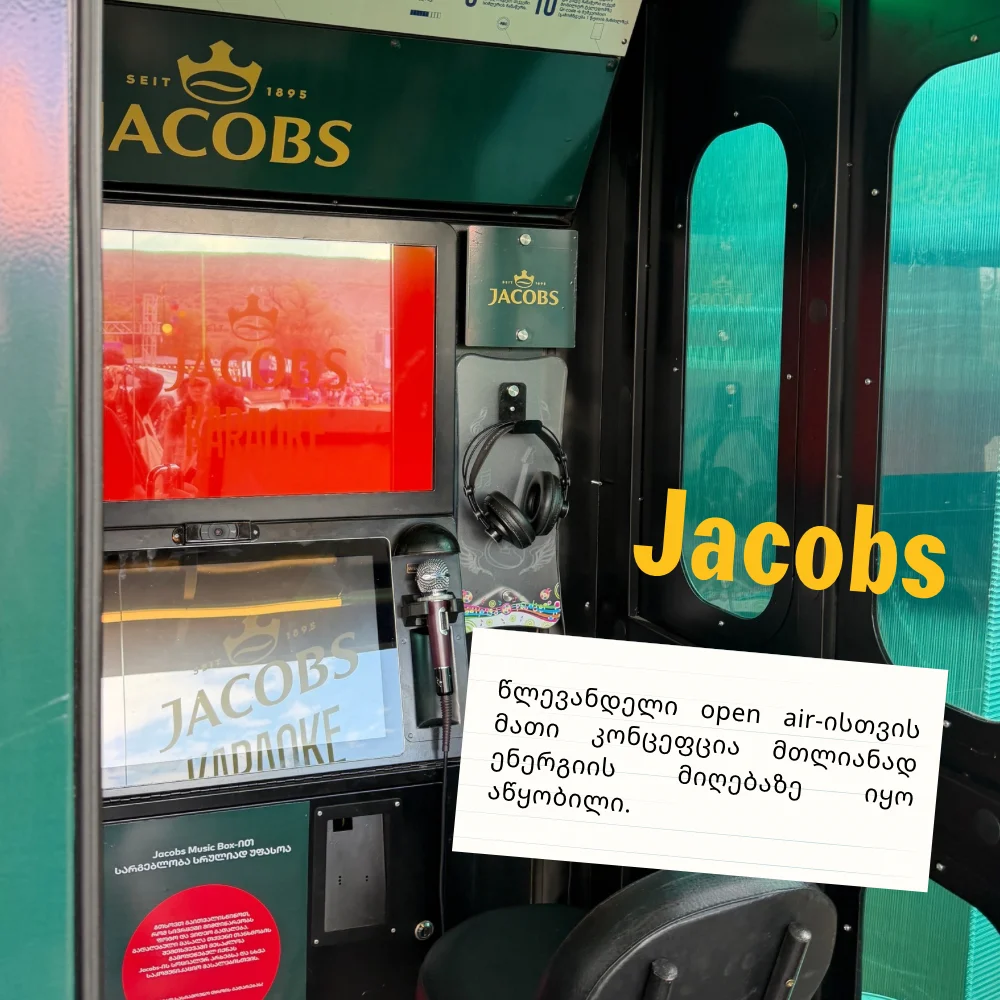
Instead of focusing on product sampling alone, Jacobs built an environment where every touchpoint supported the same brand message.
Zoommer: Refreshing a familiar idea
Like last year, Zoommer featured a photo booth.
The concept, however, evolved. While last year's design resembled a physical photo album, this year the experience adopted the visual language of Instagram's new Instant feature, making the activation feel more contemporary and naturally aligned with the digital habits of its audience.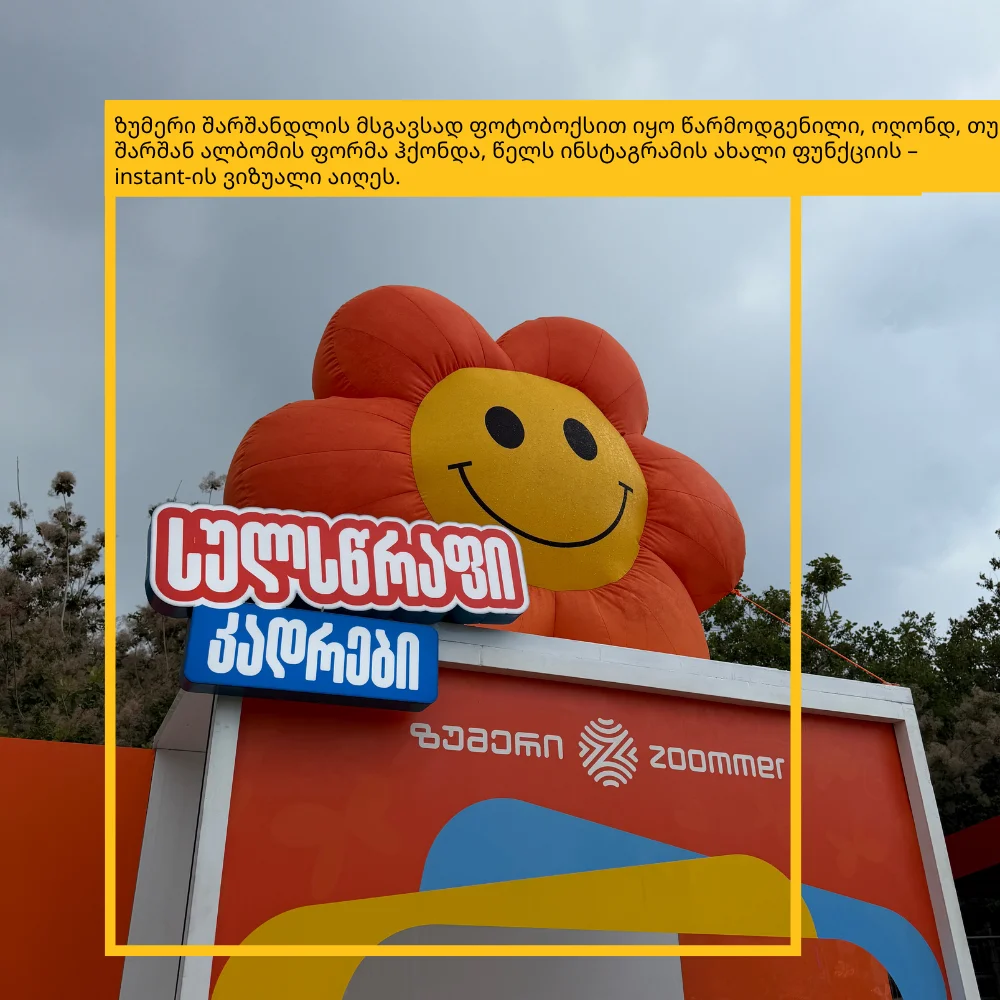
Sometimes innovation doesn't require reinventing an experience - it simply requires updating its cultural relevance.
Betsson.sport: Meeting users where their attention already is
One of the festival's largest spaces belonged to betsson.sport, whose entire activation naturally centered around the World Cup.
A large screen broadcast the Round of 16 matches, while visitors could also participate in a Fantasy competition created specifically for the tournament. Anyone registering through the Betsson application received exclusive merchandise designed for both the World Cup and Open Air, with AirPods Max serving as the grand prize.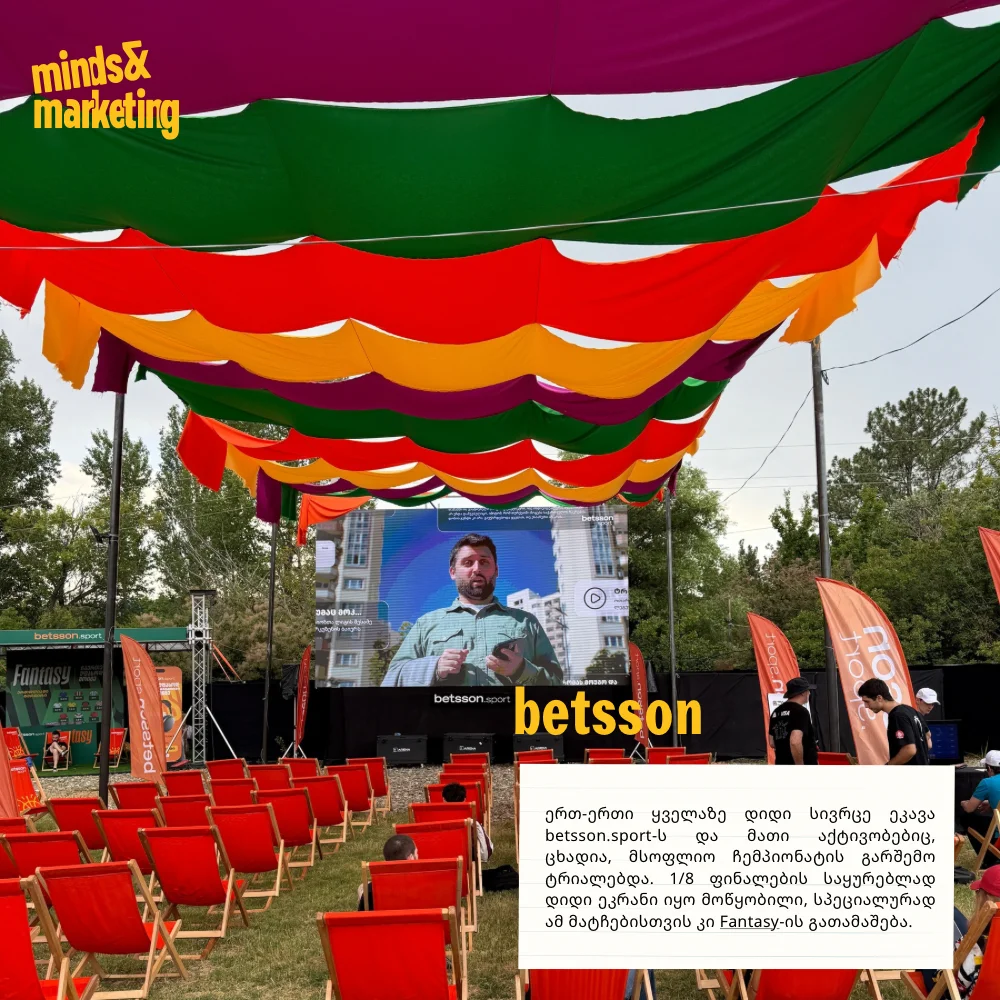
The timing was particularly effective. Since Betsson had launched its Fantasy platform alongside the tournament itself, bringing that experience into the festival allowed users to engage with the product in real time, while their interest in football was already at its peak.
Rather than asking people to imagine the experience, the brand invited them to live it.
Coca-cola: Gamification with instant rewards
Last year, Coca-Cola focused on a music competition. This year, the brand challenged visitors with a reaction-speed game - which, incidentally, proved surprisingly difficult.
Participation required downloading the brand's application. The winner then advanced to a darts challenge for additional prizes, while the second participant still walked away with a complimentary Coca-Cola beverage from the drinks stand.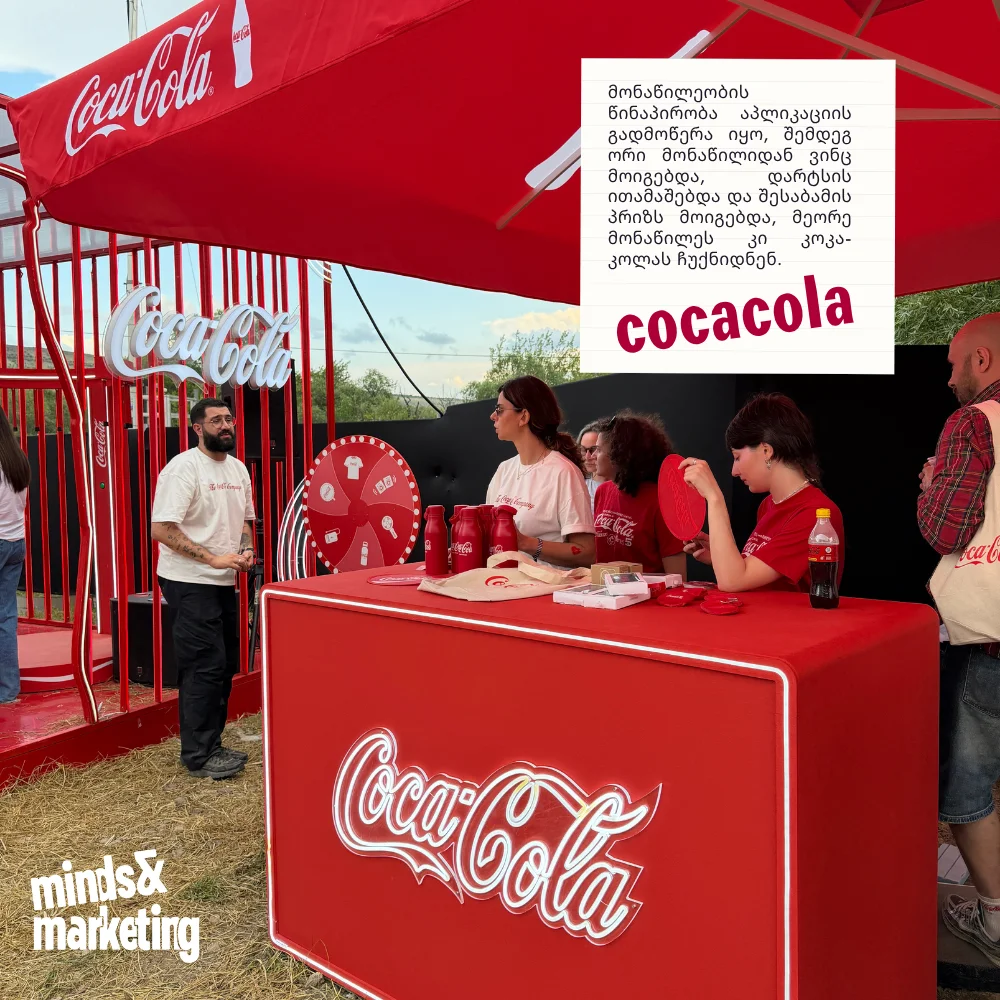
The activation maintained a low barrier to entry while ensuring that every participant received something in return, creating a positive experience regardless of the outcome.
Simple mechanics, familiar objectives
Several other brands relied on similarly straightforward engagement mechanics.
Lay's and Kiskisi required visitors to follow their Instagram pages before participating. Trolli offered a series of simple games. Cellfie distributed SIM cards with one-week unlimited packages, while Evolution invited guests to spin a prize wheel for branded rewards.
These activations successfully generated interaction, although, as with many event campaigns, their long-term effectiveness ultimately depends on what happens after the initial engagement.
Tasteit: proving that emotional experiences outperform physical scale
Finally, Tasteit made particularly effective use of the Open Air festival space. The brand introduced an Open Air mode within its app for people attending the festival alone or simply looking for someone to join them. They also placed QR code stickers throughout the festival grounds, but the real highlight was the activation itself.
At the stand, visitors found a vintage telephone with a simple prompt: 'Call your ex and check in on them.'
After making the 'call,' participants received a buy-one-get-one-free voucher redeemable at partner food vendors. The idea was intended to encourage symbolic calls, yet many participants actually phoned their former partners.
One of those conversations was so emotional that the video quickly went viral on social media. In the end, Tasteit achieved much more than introducing its brand to festivalgoers - it created exactly the kind of emotional experience we spoke about at the beginning.
And perhaps the most remarkable detail: Tasteit had the smallest stand at the entire festival.
final thoughts
Whether participation requires downloading an app, creating an account, following an Instagram page, or completing another action, the real question is what happens next.
Users can easily delete an application after the event. They can just as easily unfollow a page.
If nothing meaningful remains after that first interaction, the activation has likely generated content more successfully than it has built customers.
For brands, the real challenge is no longer capturing attention - it is creating experiences that leave emotional value behind. Experiences that demonstrate genuine usefulness, build lasting relevance, and give people a reason to stay connected long after the festival ends.
Until the next Open Air.