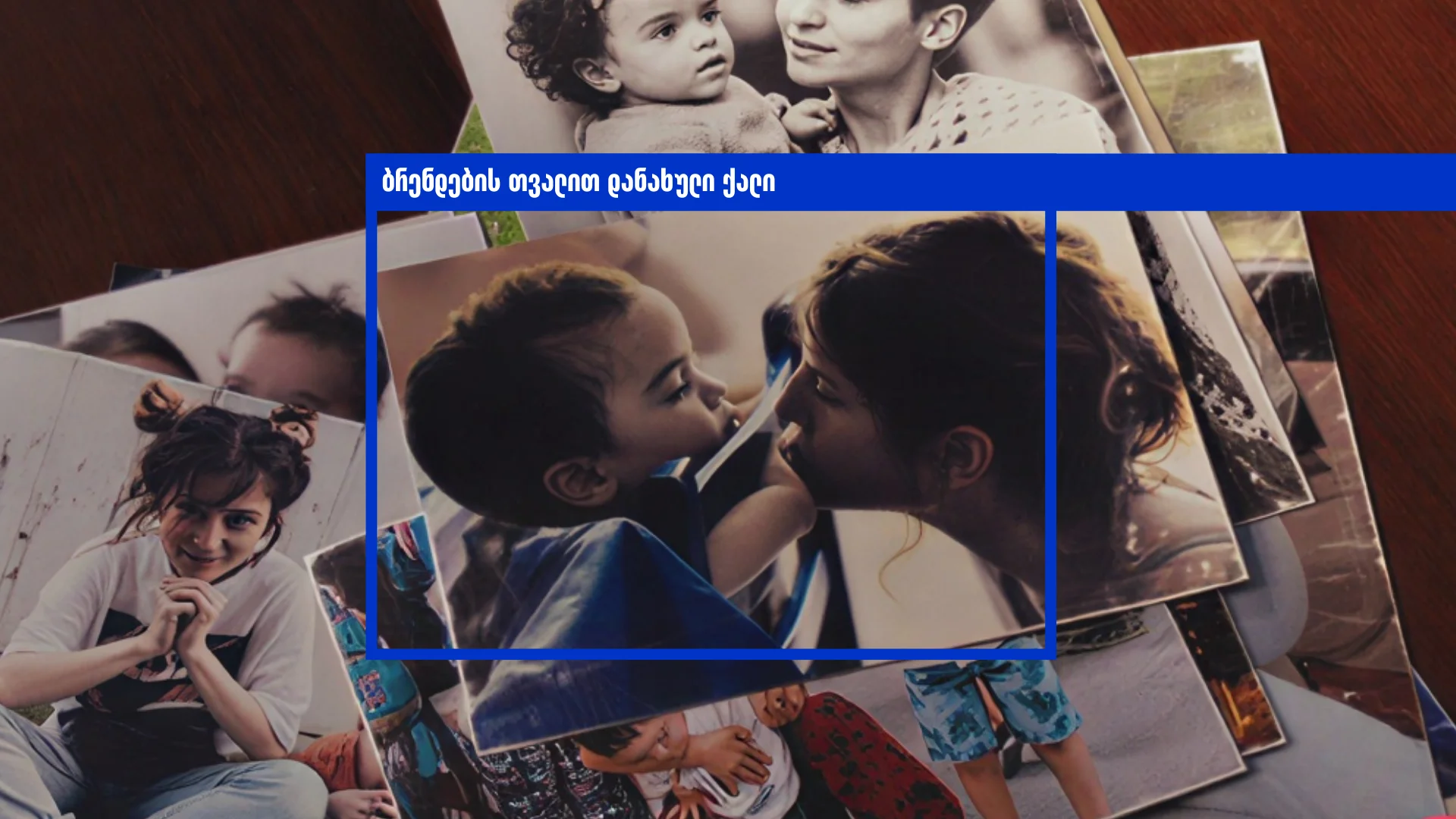
the woman through the eyes of brands
march 8
written by: mariam turdziladze
In the previous article, we explored how brands portrayed the mother. Today, it is time to look at another perspective — how brands chose to portray women in their March 8 campaigns.
Across the videos released this year, we observed several recurring themes: the presence of stereotypes and attempts to break them, the diversity of women’s roles in both family and society, and the representation of women across different ages and professions.
One detail stood out immediately: the absence of pink aesthetics, flowers, and other stereotypical visual cues that traditionally dominated Women’s Day campaigns.
This shift suggests something important. Brands are gradually moving away from reinforcing stereotypes and toward questioning — and dismantling — them.
After reviewing the campaigns, we grouped the videos into several thematic categories to better understand what brands are trying to say — and how they see women in 2026.
breaking stereotypes about women - zoommer, midea, tegeta
Zoommer x Supermarket Agency - A woman should be celebrated every day
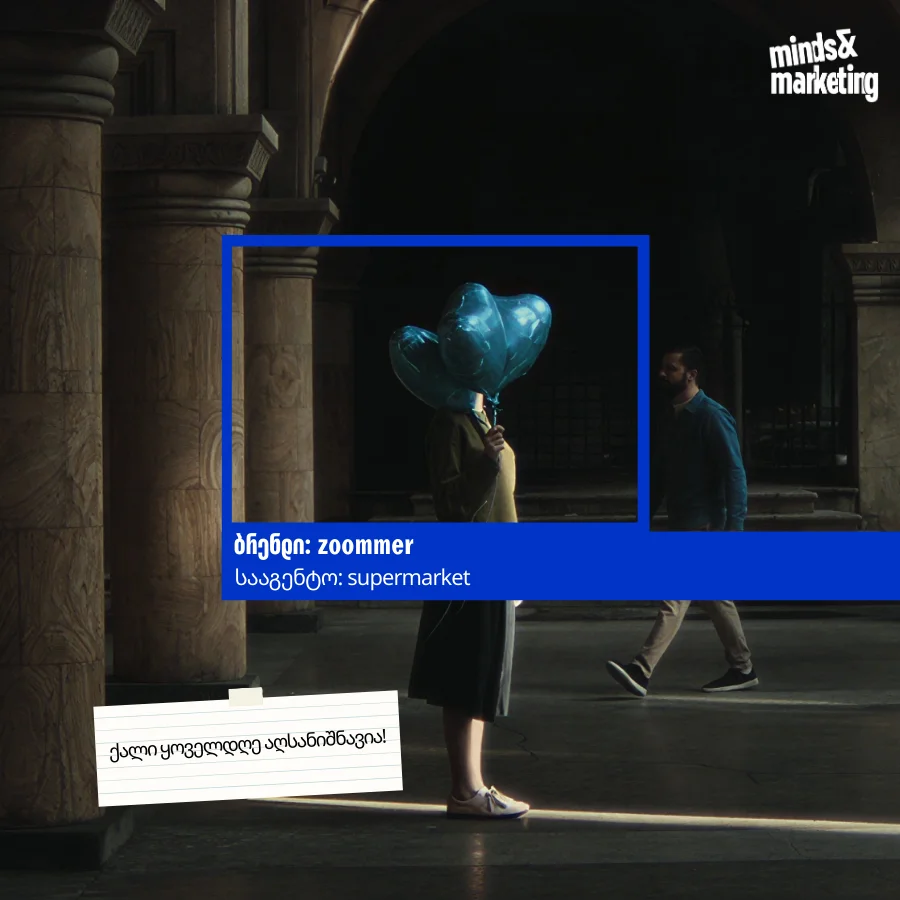
Zoommer’s campaign this year almost feels like a continuation of last year’s message. Last year’s slogan was “Every woman is worth celebrating.” This year, the campaign goes one step further and raises a provocative question: “Should Women’s Day even exist?”
From this question emerges the campaign’s central message: “A woman should be celebrated every day.”
Had we not seen last year’s campaign, this year’s video might have delivered the same emotional impact on its own. At the same time, the question posed at the beginning is powerful enough to frame the entire narrative — positioning one symbolic day against the remaining 364 days of the year.
As in last year’s work, the storytelling focuses not on individuals, but on the environment around them — an environment that should ideally be supportive, or at the very least not obstructive.
In the end, Supermarket’s creative voice is clearly recognizable.
Midea x Supermarket Agency - Household work is shared work
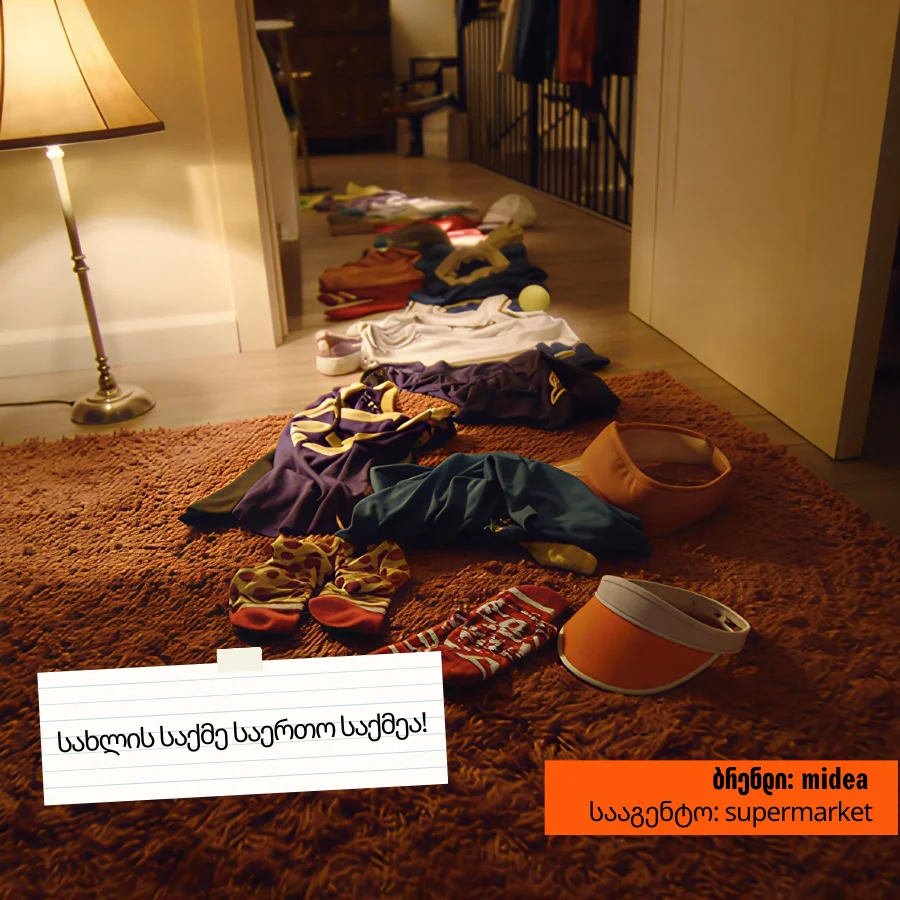
For Midea, Supermarket again explored the theme of stereotypes — this time focusing on a very specific and deeply rooted one: “Household work is a woman’s responsibility.”
The agency counters this with a simple but powerful observation: Household work never ends. Therefore, it should not belong to just one person.
For decades, home appliance brands have communicated primarily with women. Midea’s message attempts to shift that narrative.
Through the integration of its own appliances, the brand reframes household technology — washing machines, coffee makers, and other devices — not as tools for women, but as shared tools for the entire family.
Tegeta x JoyBoy Creative Studio - Women drive
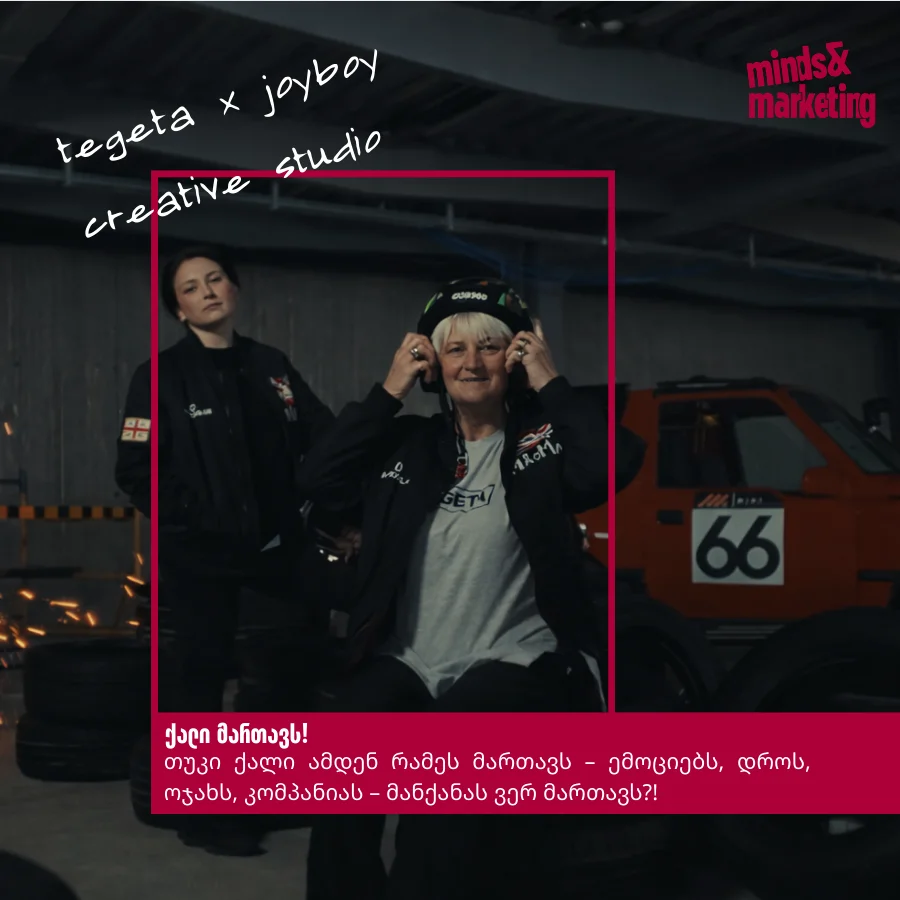
Tegeta’s campaign also responds directly to stereotypes — particularly the familiar one: “Women can’t drive.”
The campaign pushes back against the broader cultural idea that professions should be divided by gender. Instead, the message is clear: Women can drive everything — and be anything.
Truck drivers.
DJs.
Photographers.
Goldsmiths.
Miners.
Rangers.
Shepherds.
And many more.
The video features 20 women from different professions, many of which are traditionally considered “unfeminine.” This is not framed as an attempt to prove something — it is presented as evidence that women can succeed in any field.
The storytelling is particularly powerful, written by Diana Anphimiadi, and includes a clever wordplay in the slogan.
The Georgian word used for “drive” carries a double meaning:
-
literally driving a vehicle (relevant to the automotive industry),
-
and metaphorically leading, managing, and making decisions.
The conclusion becomes almost self-evident: If women can drive emotions, time, families, and companies —
how could they possibly not drive a car?
from beauty products to real values - PSP, GPC
PSP x Playmakers - What do women actually need most?

Do you remember PSP’s campaign last year? If not, here is a quick reminder.
The video featured a woman’s voice listing gifts she might have received for March 8:
“If it were possible, my boyfriend would give me this perfume… My father would give me this cream…”
But the video ends with a striking line: “You cannot congratulate me on Women’s Day. Because I… was never born.”
The campaign addressed sex-selective abortion, and it sparked strong public reactions. Some critics argued that the company used a sensitive issue to promote its products and accused the campaign of emotional manipulation.
This year, however, the same agency delivered a completely different approach.
No pink aesthetics.
No beauty products.
Instead, PSP says something unexpected: “What women need most cannot be bought in our stores.”
What do women need most?
Financial independence.
Equal distribution of care work within families.
More rest.
Fair inheritance rights.
Professions not divided by gender.
And many more.
The campaign also features a plot twist, which has increasingly become a recognizable creative signature of Playmakers.
The message is clear: External beauty cannot truly exist in a world where women are economically or socially restricted.
PSP used March 8 as a platform for a manifesto, suggesting that the right to say “no” may be more valuable than any beauty product.
GPC x Holy Motors - Women make each other beautiful
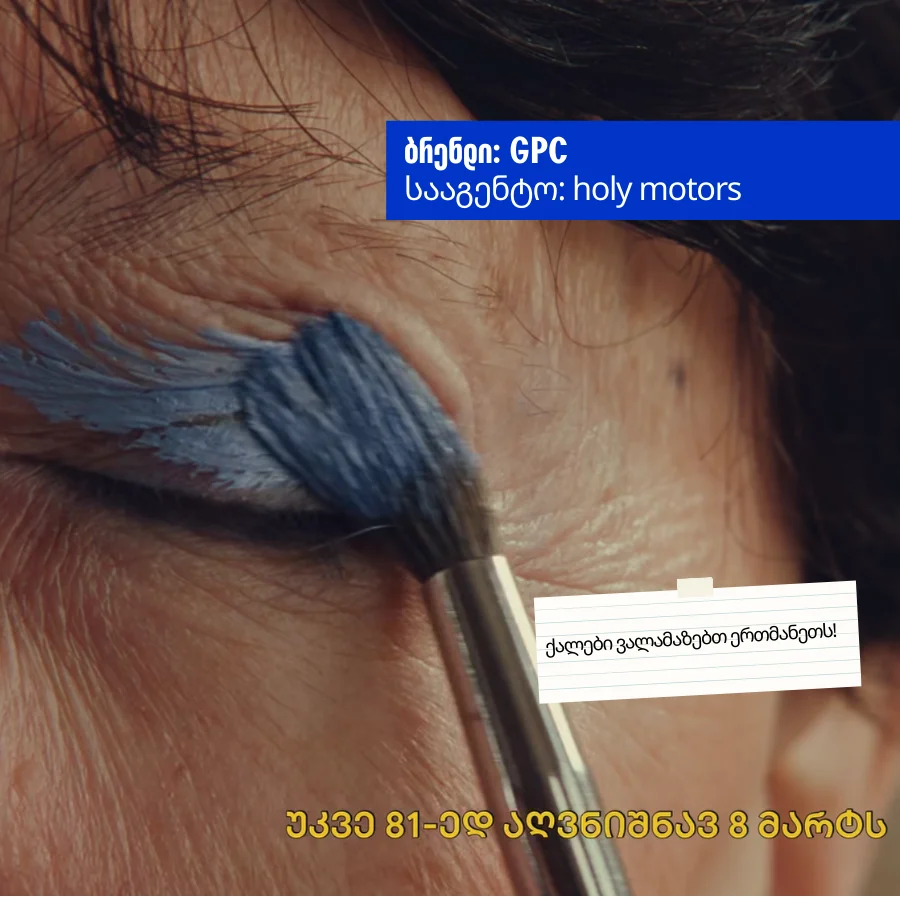
GPC took a different route this year and chose to focus on female support and solidarity, particularly among older, experienced women.
Like PSP’s campaign, the story begins with references to cosmetics and skincare products. But the narrative quickly shifts.
The protagonist tells us that, according to centuries of experience, the real secret of beauty is not balms or creams.
It is support, kindness, and warm words from other women.
One interesting question remains: Is this campaign a strategic signal that GPC may focus more strongly on the 60+ audience segment in the future? Or was this simply a one-time creative decision?
What is clear is that pharmaceutical brands this year chose to move beyond product promotion and focus on deeper social values.
persistence and gratitude - TBC, Bank of Georgia
TBC x Playmakers - March is the month of stubborn women
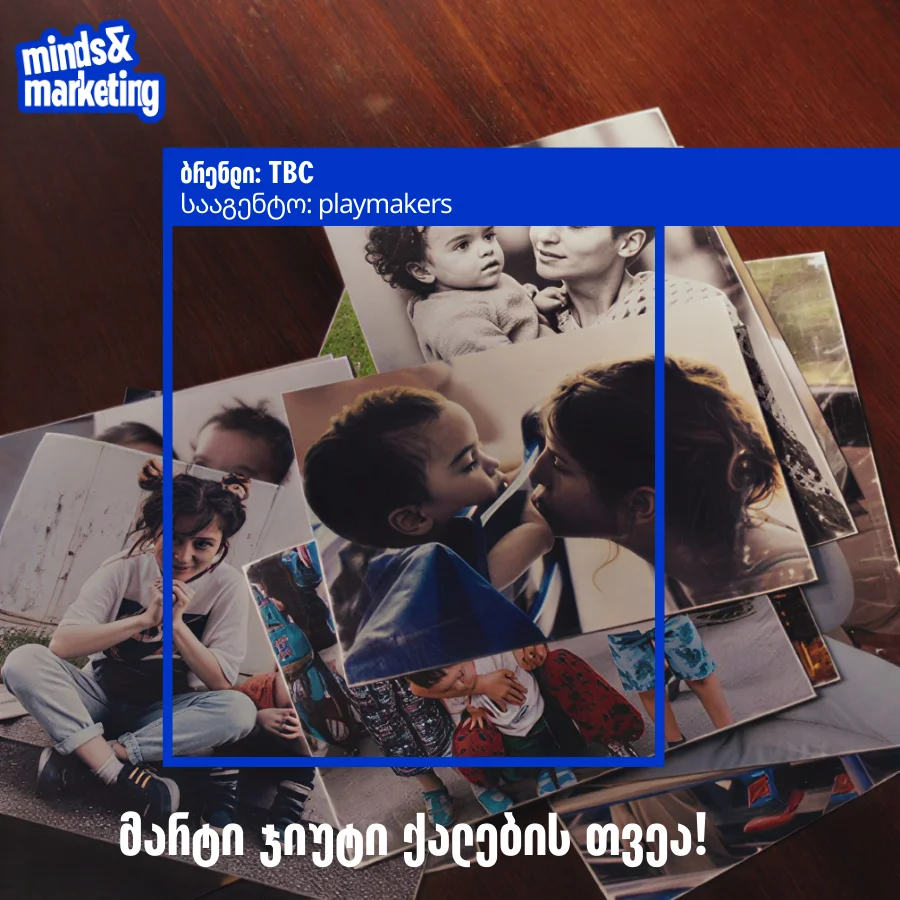
TBC first introduced the word “stubborn” into its brand narrative last year in a video dedicated to Georgia’s Independence Day.
The message was: “This is Georgia — the country of the most stubborn people.”
This was followed by another campaign featuring Ilia Topuria and the line: “I always come to win.”
Again, stubbornness was a central theme.
Now, with the March campaign also built around this idea, it becomes clear that this is not just a word — it is part of a long-term brand strategy, one that competes directly with Bank of Georgia’s brand concept of “drive.”
In the new video, TBC highlights women’s resilience, determination, and strength of character.
The story centers on Petre, who has achondroplasia, and his mother Makuna Gochiashvili. Thanks to her efforts — and those of other mothers — children with this diagnosis in Georgia now have more opportunities for independence and integration.
Here, stubbornness is not simply a personality trait. It is a transformative force capable of driving systemic change.
The final message summarizes the idea beautifully: “Mothers and women can achieve the impossible when they truly believe in something.”
Equally important is how motherhood is portrayed.
Not as sacrifice.
Not as self-denial.
Not as dramatic hardship.
But as lightness, joy, personal growth, dancing, freedom, and life. For that perspective alone, TBC and Playmakers deserve recognition.
Bank of Georgia x Supermarket Agency - Every grandmother in the world is the best

On March 3, Bank of Georgia announced that this month would be dedicated to:
“The parents who taught our parents how to be parents.
The people who give the most and ask for the least.
The main heroes of our childhood — grandmothers.”
The video opens with a cultural reference to the iconic Georgian film “Imeruli Eskizebi.”
A character calls out: “Grandma… Grandma…”
This familiar phrase acts as a cultural code — instantly setting the emotional tone and preparing the viewer for a warm and nostalgic narrative.
There are no calls to action. No lessons.
Just emotion, nostalgia, and gratitude.
The campaign portrays a woman who is often quiet, almost invisible — yet remains one of the strongest pillars in our lives.
A grandmother as the symbol of carefree childhood.
final thought
Rather than summarizing all the campaign messages or asking which one resonated most, I would like to focus on one observation.
Out of the seven campaigns discussed, three were created by Supermarket Agency and two by Playmakers.
No matter how different the brands may be, the agency’s creative voice often becomes stronger than the brand’s own voice.
This raises an important marketing challenge: How can a brand maintain its individuality without being overshadowed by the agency’s signature style?
We will explore this topic in more depth in the future.
But one thing is certain: When we discuss Ad Black Sea 2026, some of these campaigns will definitely return to the conversation.
The photo materials used in the visuals belong to the respective brands and constitute their intellectual property.