georgian youtube & sponsors
yesterday, today, and tomorrow
Banks have arrived on YouTube!
Realizing that there’s now virtually no industry left untouched by the platform inspired us to explore a new topic - what’s happening on Georgian YouTube today? A space already filled with creators and, increasingly, with brands. And for those who still haven’t joined - what exactly are they waiting for?
In the recent past, we’ve talked about influencers mainly active on Facebook, TikTok, and Instagram. This time, we’re shifting our focus to YouTube and three of its leading Georgian channels: Octopus, Saechvo Kaci, and Lasha Gelashvili. Their experiences - from growing their channels to collaborating with sponsors - offer valuable insights not only for marketers, but also for aspiring YouTubers and anyone curious about the evolution of Georgian YouTube.
YouTube: Today and Tomorrow
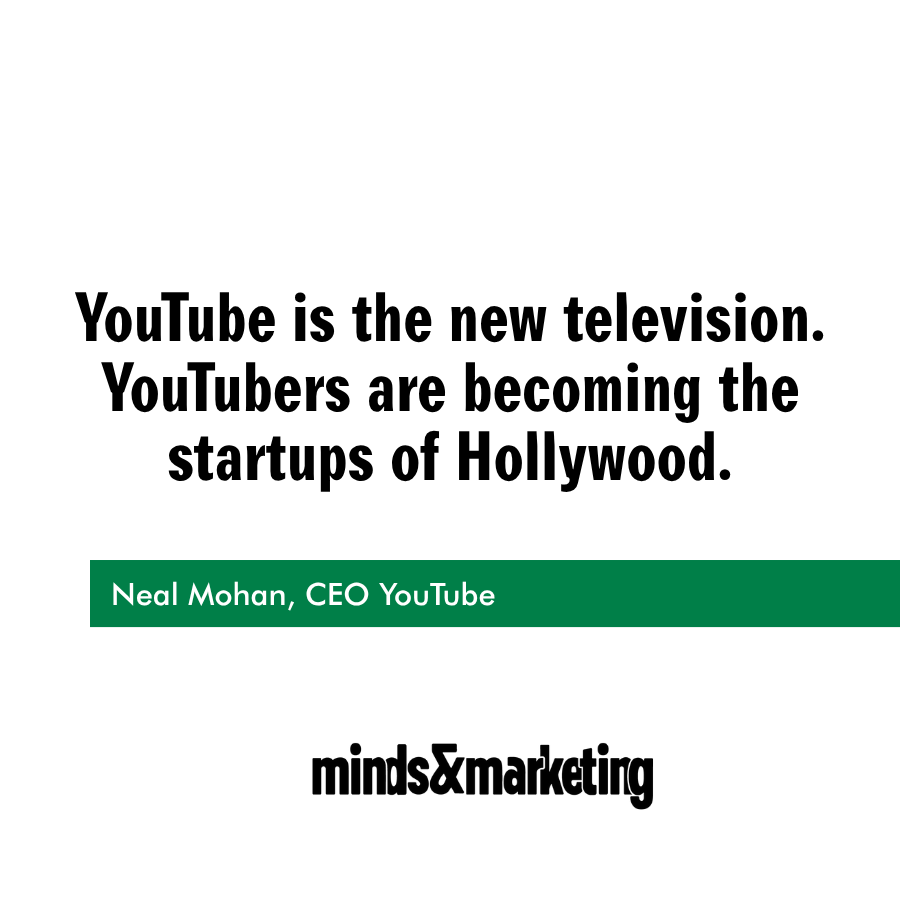
In 2025 YouTube turned 20. Early this year, the company’s CEO declared in their annual letter that YouTube is becoming the new television, and YouTubers are becoming the startups of Hollywood.
This summer, YouTube introduced a new feature intended to make it easier for brands and creators to connect. With such tools and features, integration of ads and sponsorships on YouTube is becoming smoother.
In Georgia, YouTube developed more slowly, like many things. But in recent years, there has been noticeable progress in content creation. Quality is rising; creators are more daring; videos are more ambitious.
With that in mind, the big question becomes: where were brands when Georgian YouTube was in its formative, breakthrough moments - and where are they now, when the platform is standing on a substantial growth stage? We asked YouTubers about what risks a sponsor faces, and conversely, what risk the creator takes by affiliating with a brand. But first… let’s start from the beginning.
The First Sponsors
The first sponsors on Georgian YouTube appeared roughly 10 years ago. This was a time with little production teams - mostly solo YouTubers.
Giorgi Kalatozi (“Octopus”):
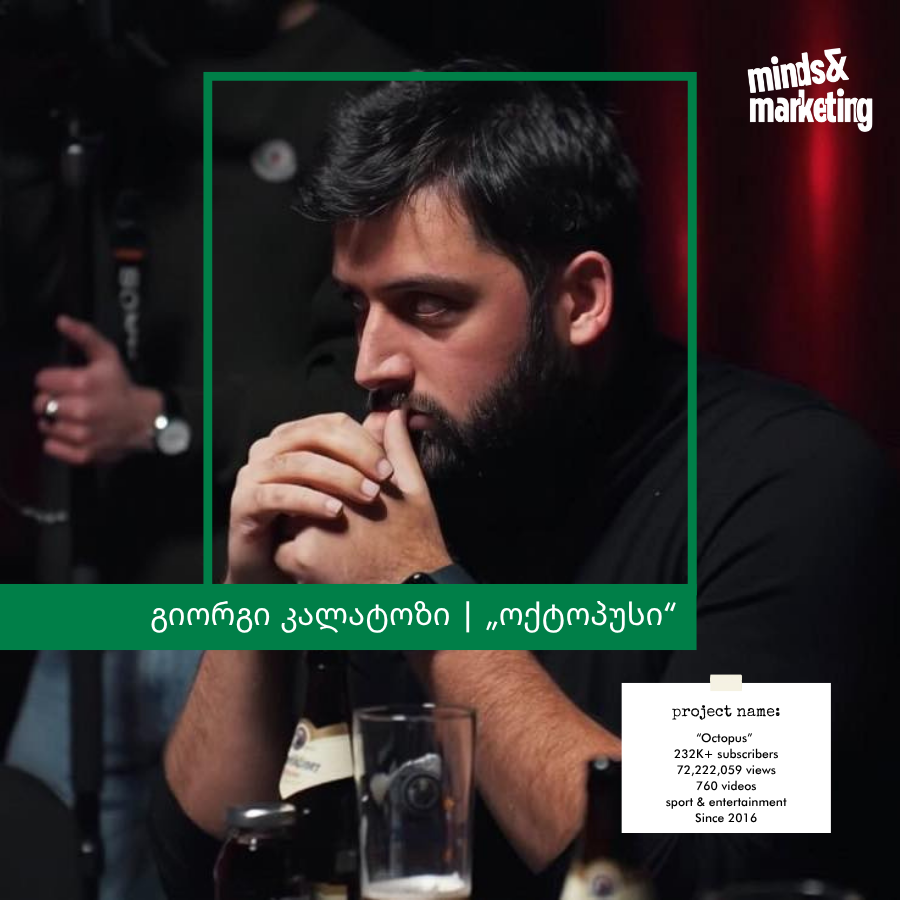
“Georgia in general lagged behind global trends. When YouTube in other countries had already reached very high levels in 2016-17, here it was still afloat only by enthusiasm; our growth was powered by our own zeal.
The earliest sponsors were small companies that didn’t have enough financial resources for television, and saw younger audiences on YouTube. The first company interested in sponsoring us was the energy drink brand ‘Kabisa’ in 2016. That collaboration didn’t happen immediately, but later it began, and we worked together for several years.
With Iplus we had our first relatively stable partnership. In tech, under the show “Saturday’s Two Minutes,” we produced four videos per month, which also were posted on their Facebook page. Thus, with very low resources (they paid 500 GEL), they got very strong advertising. Of course, from today’s perspective, that amount is absolutely inadequate for the product.”
The Betting Ban & Pivotal Stage for Georgian YouTube
Since March 2022, gambling advertisements have been outlawed or heavily regulated. That change had multiple effects: it hurt TV financially, but opened up space on YouTube, because the gambling companies redirected their budgets there.
YouTuber / illusionist Lasha Gelashvili recalls:
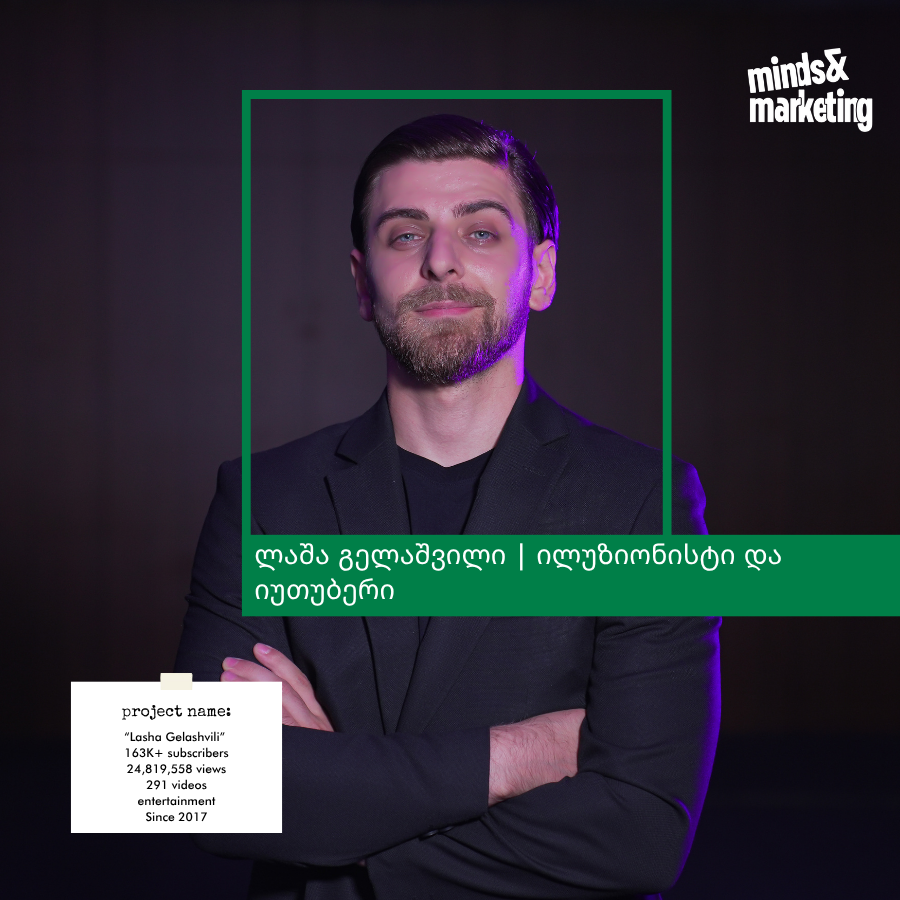
“I staged the first illusion show in Georgia, whose sponsor was LiderSport. They wanted to continue collaboration, but due to new regulations their advertising scope was limited. So I turned my full effort toward YouTube and within several months presented the renovated project of my channel. We agreed that within three months I had to show certain results. In the end, not only did I meet expectations, but I exceeded them.”
Because gambling companies are now regulated, even their YouTube ads are limited. Many tied themselves to sports, not only as sponsors of YouTube channels but some now run their own successful channels. Betsson.sport is one significant example. We’ll talk more about such cases ahead.
All this financial influx onto YouTube had clear effects: content quality improved, audiences grew. Successful precedents caught the attention of other companies, and today it’s hard to find an industry that doesn’t advertise on YouTube. But still:
Where Were Brands Until Now?
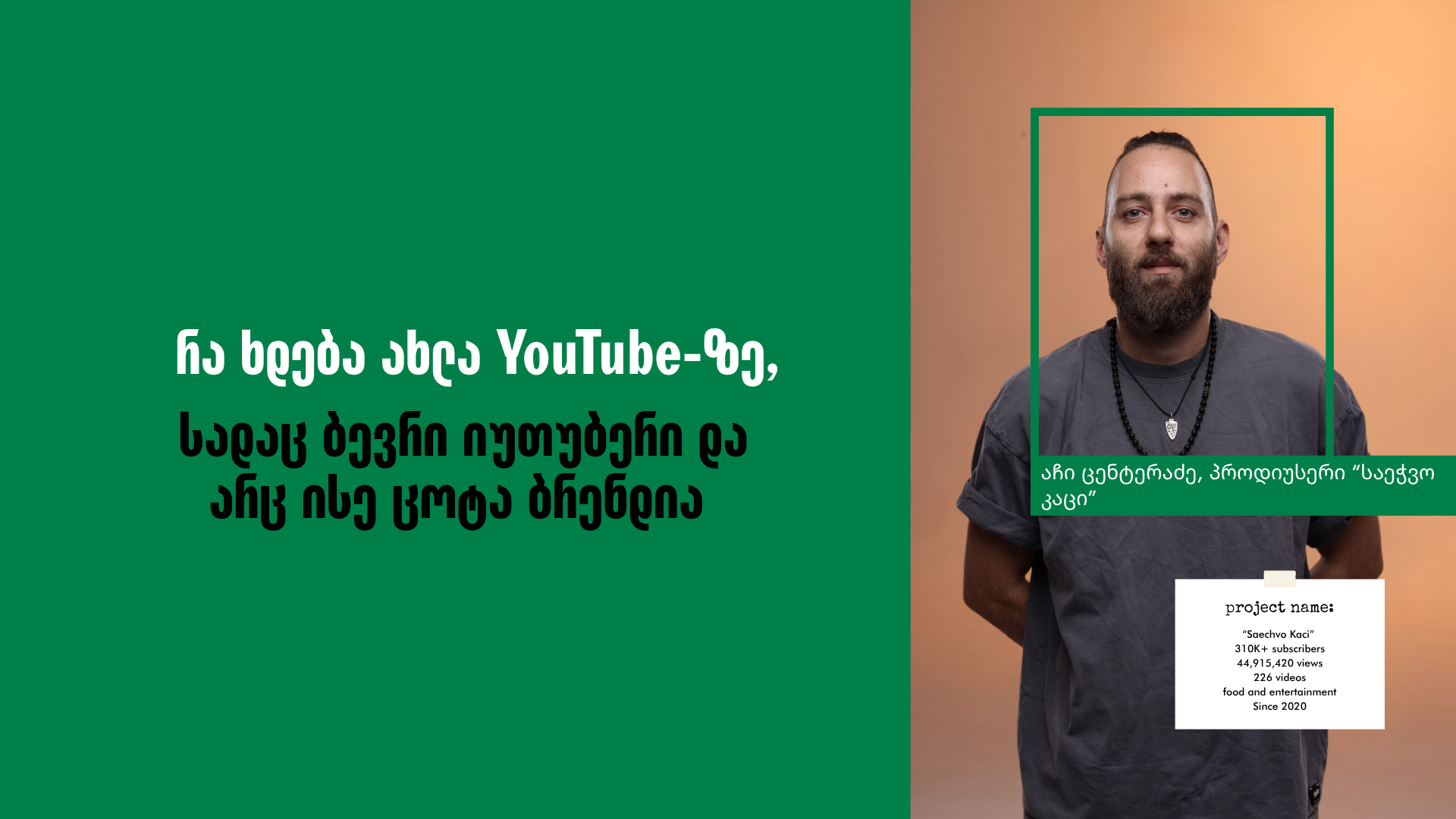
Achi Centeradze (Producer, “Saechvo Kaci”):
“In my opinion, trust was the most important factor, because traditionally everything large brands did felt safer in television; they could control more. YouTube was viewed as unserious, uncontrollable.
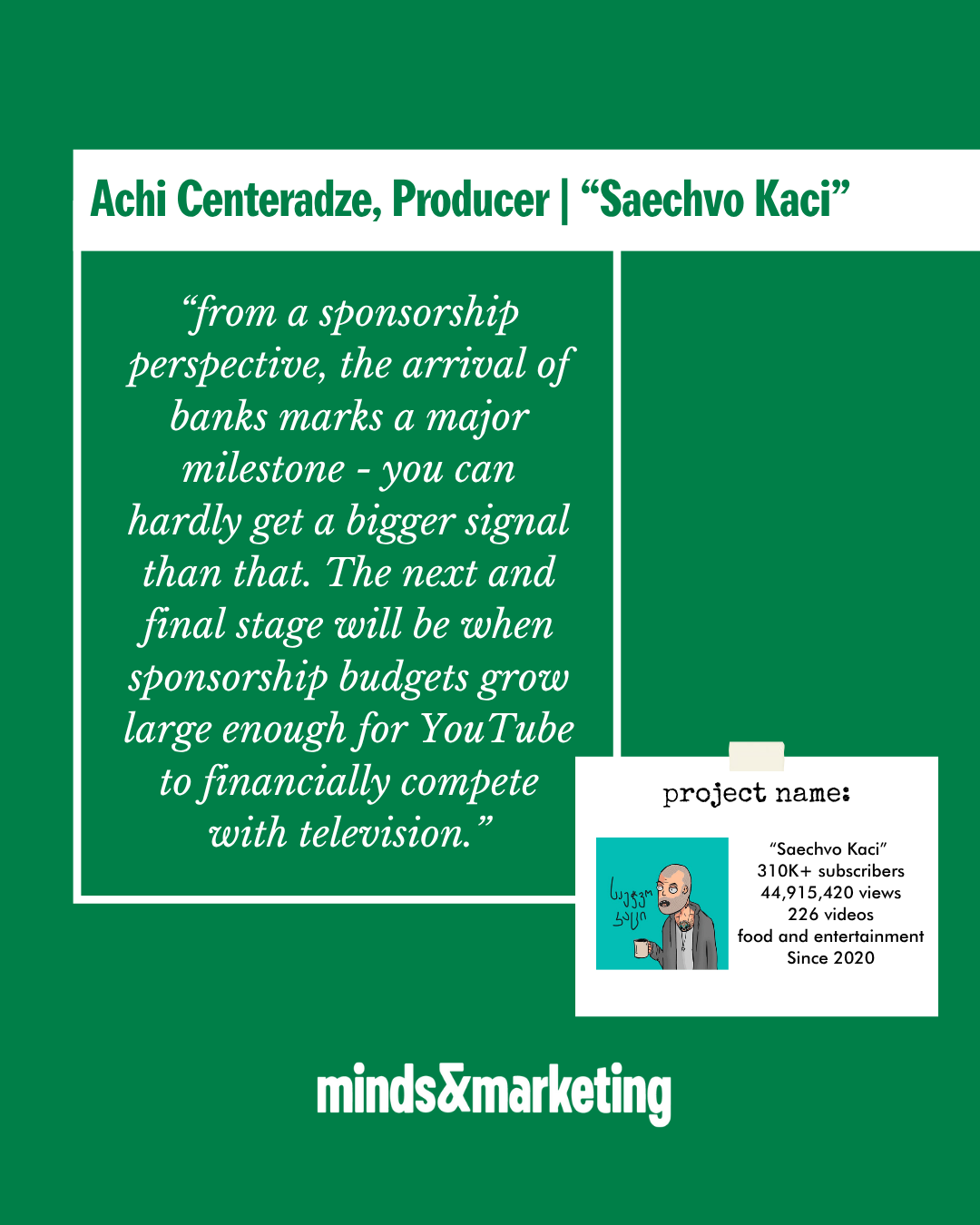
Slowly, but eventually, we managed to win trust. So in my observation, brands first noticed the trend - audiences were shifting from traditional to digital media. Then came a period of hesitation, followed by a breakthrough: they finally entered YouTube. From a sponsorship perspective, the arrival of banks marks a major milestone - you can hardly get a bigger signal than that. The next and final stage will be when sponsorship budgets grow large enough for YouTube to financially compete with television.
What Risk Does the Sponsor Face with a YouTuber?
Yes, trust has improved, but companies must choose creators carefully.
Giorgi Kalatozi (“Octopus”):
“A YouTuber is a risk in that they might say something later that negatively impacts your brand image. I’m talking not only about content on their own channel, but anywhere - even if they appear in someone else’s show, and say something undesirable.
If they are associated with you, you suffer too. There are YouTubers where sponsor involvement would be a nightmare. Therefore, regardless of number of subscribers, what matters is whether you as the audience feel yourself in their content; if not, it makes no sense.”
Sponsors also risk reputational damage if something goes wrong in the collaboration; word spreads among other creators, even small mistakes can cost significant harm.
A prime example arose about two years ago: conflict between Octopus and the educational center Novator. The company disliked an ad that Octopus had produced; the communication was ironically dismissive (“I watched your video and my heart felt sorrow”) and they refused to pay. Giorgi Kalatozi told the story on his show “Orshabatioba,” and soon many YouTubers joined in, creating behind-the-scenes community mobilization — the campaign “Fuunovatori,” or YouTubers & the YouTube community versus Novator.
What did this teach us?
- We saw the power of YouTube and YouTuber solidarity - a mistake made with one carries risk for many;
- We saw strength of the community - people used hashtags like #Fuunovatori in comments, and more;
- It set a precedent: the relationship between sponsor and YouTuber is not one-way; mutual respect, fulfilment of terms, equality are necessary;
- Once more it showed how crucial it is to know deeply the creator you are engaging, and to agree the terms in advance with precision.
Incidentally, that company (Novator) no longer exists, and I believe reputational damage played a part in that.
What Risk Does a YouTuber Face with a Sponsor?
As above, collaboration entails risk for both sides. We asked creators what risks they see, and how they try to protect themselves. From their experience:
- It is essential to research ahead: know the company well; confirm it is trustworthy and safe;
- Terms of contract should be clarified in advance — deadlines, strategy, expectations;
- One negative experience with a sponsor can carry risk that other companies hear about it and decide not to work with you;
- Creator and sponsor should share similar value systems, so that neither’s reputation or audience gets harmed.
Achi Centeradze recalled a case when a fraudulent company tried to sponsor them:
“We had a case where a strange crypto platform tried to sponsor us; eventually it turned out to be a scam. Makharam (Giorgi Makharashvili “Sarchvo Kaci”) saw a contact number on their site, called and asked: ‘Is this a scam?’ They answered: ‘Yes, it’s a scam, I just needed someone to employ.’ Of course, we refused. Generally, in my opinion, you should not endorse a company that harms your audience. For people who trust you, there should be zero discomfort caused by your sponsored content.”
Communication with Brands - Who Takes the First Step?
From YouTubers’ experiences: initially they were more interested in having sponsors than vice versa. Now the balance is more even, and big YouTubers often have to decline offers. According to them, having 3-4 stable sponsors (with contracts of at least one year) is ideal both commercially and creatively.
Often there's not a dedicated person for deals; creators themselves negotiate (exception: “Saechvo Kaci”). Here, experience and skills matter. As Lasha Gelashvili points out, having worked in marketing for five years helps in content creation, distribution, and negotiating with partners:
“Knowing how to negotiate with a sponsor is very important. They may have the same discussion with ten people a day. Experience is needed to build correct communication and show the value of your idea.”
Giorgi Kalatozi says he often hears from brand reps: “We can’t explain to our boss what YouTube is,” so he prefers to work with brands who already know what they are doing:
“Communication with companies is a separate affair, and if you don’t have someone assigned to it, or a strategy outline, selecting suitable brands and approaching them with proposals becomes quite difficult while you are also producing content. Therefore, naturally, I prefer a company to come to me thoughtfully with a specific proposal. For example, recently when I announced the launch of my channel, even before one video was up, several companies wrote me sponsorship offers — something that a few years ago was truly unimaginable.”
Achi Centeradze (“Saechvo Kaci”) has experience in projects and sales, which helps both in negotiating with sponsors and in producing advertisements:
“I believe that my experience was very important from the start, so that we made good ads. Even at the beginning we treated every small integration with great care. Well-made ad attracts another sponsor, and a chain is formed. YouTubers have seen that it's possible to do things differently.
My stance has always been: if you take money from a sponsor, you should produce something equal to or better than what they expect - this has two results: 1. the sponsor is satisfied, 2. more importantly, potential other sponsors see it and get interested.
We’ve worked with over 500 companies, and the vast majority approached us themselves. I always advise beginner YouTubers the same — produce content in a way that companies become interested on their own. Several times I tried writing to a company with an idea and asking for their support, but I haven’t even got replies. In part I understand, because in many companies the decision-makers are still people who aren’t YouTube’s audience; you can’t, just by an email, make them start watching YouTube, much less interest them in sponsoring. However, I believe, as generations change, this situation will also change, and people in high positions will better understand the potential of digital platforms.”
Message to Brands
YouTube is a platform that builds audience loyalty — not only toward creators, but toward brands too, if the product is integrated appropriately.
Interviewees noted that over time communication between creators and brands has matured, expectations have become far more realistic; still, there are several points they wish brands would improve:
- A company should truly know the YouTube channel it wants to sponsor — subscriber counts and views aren’t enough. It must understand how naturally its brand or product can integrate into the content.
- Give creators creative freedom - share what needs to be communicated, but let them decide how to do it.
- Provide both positive and negative feedback; both are essential for a YouTuber’s growth - creatively and commercially.
- YouTube isn’t Facebook “boost.” One-off collaborations don’t matter unless the brand has a very specific goal.
- Big YouTubers get plenty of offers and have limited ad space, so brands should also look toward smaller or emerging creators - investing in the right beginner can be the smartest long-term move.
Georgian YouTube: Today & Tomorrow
Today, Georgian YouTube is evolving in interesting ways, both in content and commercial terms. Things that once would have seemed impossible are now real: for example, just recently they gave away an apartment on YouTube (by “Saechvo Kaci” × “Alfa House”), a completely unprecedented case.
Since almost every industry is now involved, big YouTubers don’t lack sponsors; they have all the filming gear they need, etc. We asked respondents what tomorrow will bring and how they plan to develop.
Giorgi Kalatozi (“Octopus”):
YouTube’s commercialization has increased quality and made large-scale projects possible. For example, “Living Show,” which audiences attend live, could not have been done before. We don’t have a fully laid-out plan, but I know we need a pavilion, because what YouTube lacks today, and where we are behind television standards, is first and foremost studio / filming spaces.
Achi Centeradze (Producer, “Saechvo Kaci”):
“From companies two directions of interest have emerged: 1. integration in existing YouTube videos; 2. creating their own YouTube channel for future stable positioning. It is in this direction that we have begun development and strengthening of our production. For the ‘Creator’ project with Bank of Georgia (a current project implemented in collaboration with several YouTubers) we are doing this idea, also creating content for Nova’s YouTube channel; for University of Georgia we have begun setting up a studio. So, we’ve begun using our experience for other companies too, giving ideas, helping with content creation, and I believe that this direction has unlimited perspective.”
In Conclusion
- The experience of YouTubers shows that Georgian YouTube has developed its own rules, tone, and ethic.
- Creators build loyalty through direct interaction with their audience, which today is the most precious thing for brands.
- Subscriber counts and views are secondary; real impact comes from trust, long-term partnership, and honest communication, starting with the audience and continuing with the sponsor.
- Growth of content and entrance of large businesses into YouTube mean that the platform is now being taken seriously - it is a full-fledged media outlet: influential, financially viable, and morally responsible. And the future plans of creators - adding pavilions and strengthening production - follow the global path YouTube itself is taking.
_____________________
The second part of the article will look at the brand side: what expectations they had when entering YouTube, what they got in reality, and what they need for this partnership to become not merely a commercial deal, but a relationship built on trust.