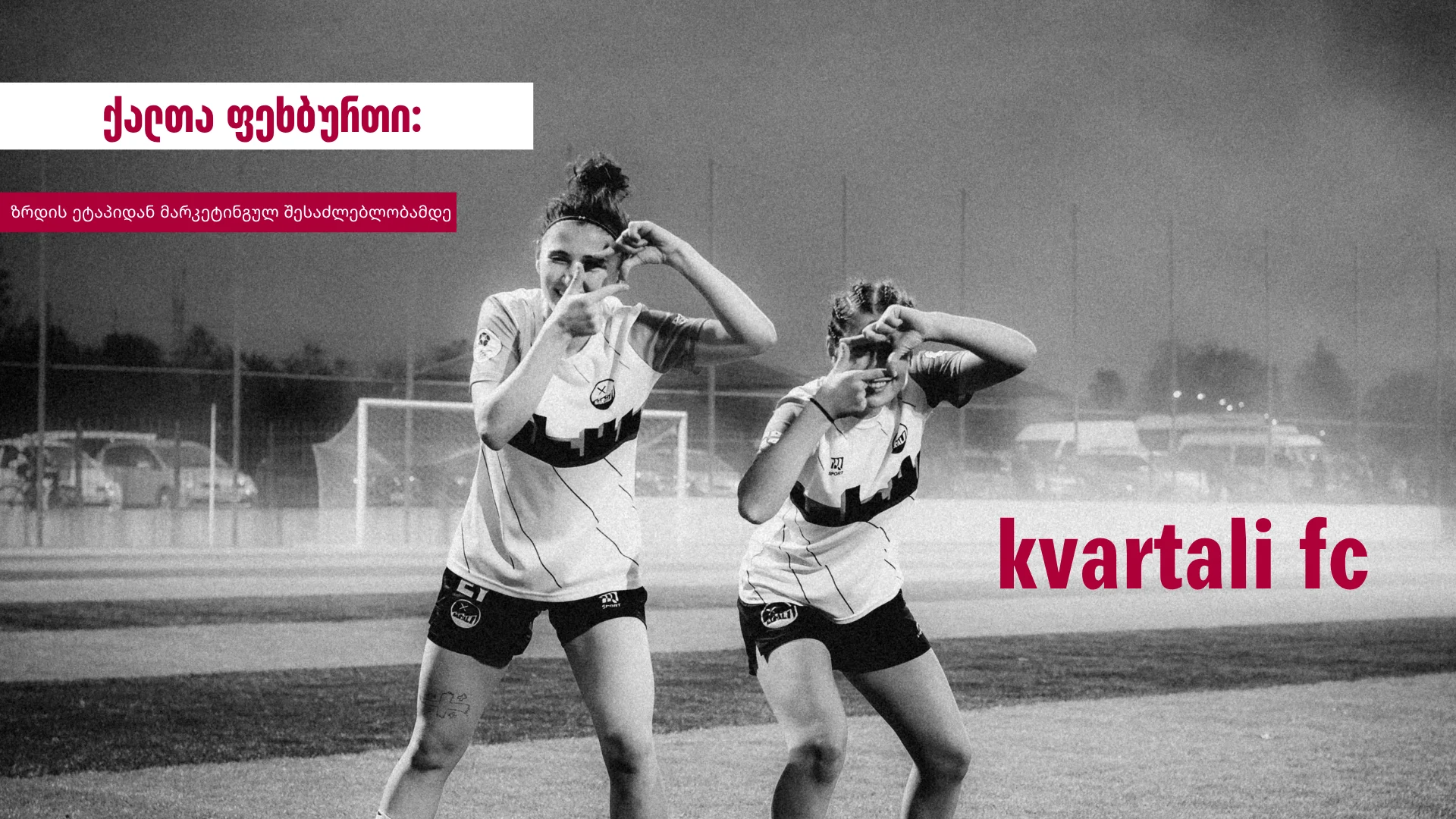
women’s football: from growth stage to marketing opportunity
kvartali fc
written by: mariam mazanashvili
When you think of a billion-dollar industry, which sport comes to mind? Football? Basketball? Formula 1?
But would you expect women’s football to join that list anytime soon?
Today, the women’s football industry is valued somewhere between $700–900 million. However, FIFA is already openly projecting that it will surpass the $1 billion mark in the coming years. At this stage, women’s football is part of the broader women’s sports economy, which has already crossed the billion-dollar threshold. In 2024, women’s sports generated $1.88 billion, and in 2025 that number exceeded $2.35 billion—with football accounting for roughly 35% of the total.
This means women’s football is no longer operating in a “future potential” space. It is already functioning within an economic reality where billion-dollar scale is an achievable milestone.
In this article, we explore women’s football from both global and Georgian perspectives—where the market stands today, and where it has the potential to go.
a globally growing industry
Women’s football is experiencing rapid growth worldwide. Historically perceived as one of the most masculine sports, football has long been dominated by men—and still is. But beyond sport, football is one of the most influential global cultural phenomena.
For years, the fight for equality in women’s football has centered on equal pay, equal media coverage, and professional conditions. The United States has been one of the leaders in this movement, achieving equal pay agreements between the women’s and men’s national teams. Today, countries like Spain and England are also advancing rapidly—where women’s football is becoming increasingly professionalized and commercially attractive.
Governing bodies like UEFA and FIFA have played a critical role by increasing investments in the sport. A defining moment came in 2022, when the UEFA Women's Euro 2022 in England recorded the highest attendance in the tournament’s history—nearly 575,000 spectators overall, with more than 87,000 attending the final. It was a turning point for the visibility and commercial credibility of women’s football.
Ketevan Kipiani (Women’s Football Manager, GFF):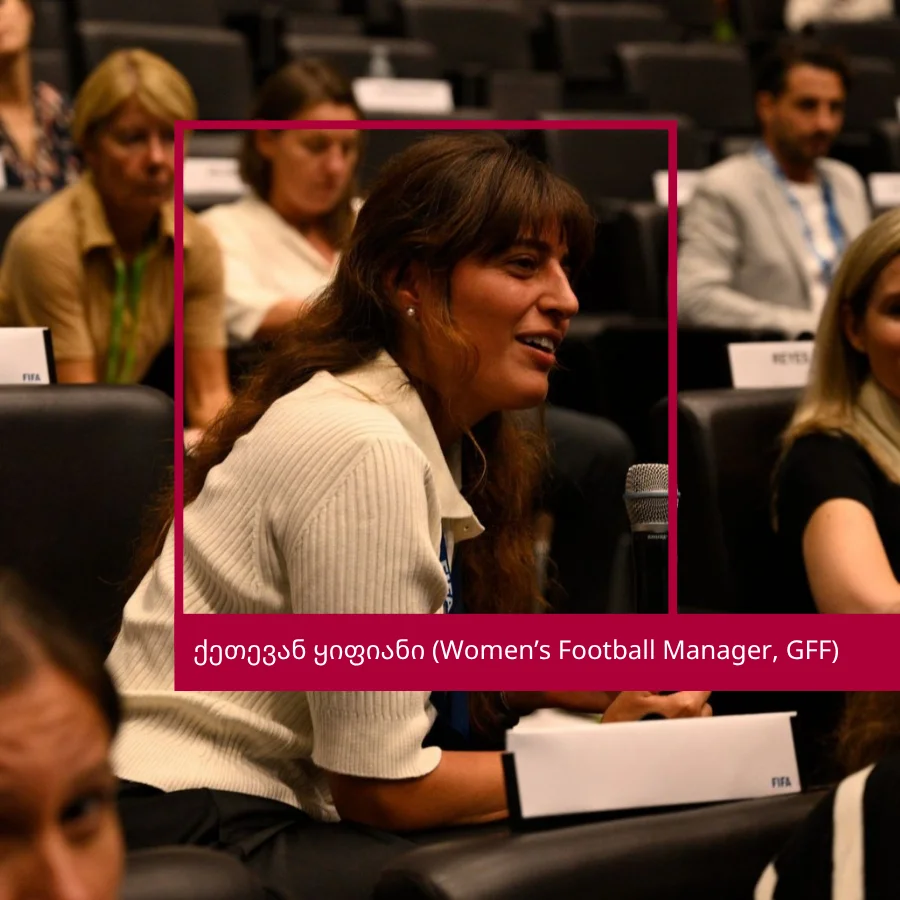
“The growth of women’s football has been significantly accelerated by the fact that major clubs now have women’s teams. It’s very different when something develops independently versus within the structure of clubs like Arsenal or Barcelona—with shared philosophy, resources, visibility, and opportunities.”
what’s happening in georgia?
Georgia is still in the early stages of developing women’s football—which, strategically, makes it an attractive entry point for brands.
According to the Georgian Football Federation, the number of professional female players increased from 120 in 2016 to 1,600 in 2021, reaching 1,700 registered players in 2022.
Since 2015, Georgia has hosted its women’s championship—the national women’s league—which expanded into two divisions in 2020. While the country still trails global benchmarks, recent years have shown clear signs of progress.
One of the most notable milestones was WFC Lanchkhuti reaching the round of 32 in the UEFA Women's Champions League 2020–21 qualifiers—an unprecedented achievement for Georgian women’s football on the European stage.
However, similar to men’s club football, the biggest constraint remains financial: lack of funding, sponsors, and resources.
Ketevan Kipiani (Women’s Football Manager, GFF):
“The main challenge in Georgia is the lack of resources—both financial and human. Clubs rely heavily on state funding and have no sponsors. Existing funding is only enough to participate in the championship. Women’s football has its community, but to grow it, digital presence is critical—social media and beyond. We struggle to translate this into digital and then monetize it.”
Today, women’s football in Georgia is primarily funded by FIFA, UEFA, and the state. Private sector involvement—especially from brands—remains minimal.
The key issue is structural: unless the league itself becomes a commercially viable product, the success of individual clubs will not be enough to attract meaningful brand investment. Value for brands is created not by isolated teams, but by an ecosystem—league, players, audience, and media coverage working together.
Nikoloz Jgharkava (Founder, FC Dinamo Batumi; Founder, Kvartali FC):
“Even a baseline level of interest from companies—similar to what exists in men’s football—would significantly move women’s clubs forward. But clubs also need long-term, strategic thinking. Building academy systems and structured age-group development is essential.”

Interest is clearly on the rise, which is also reflected in the strong engagement across initiatives introduced by the Georgian Football Federation. One such project offered free training sessions for girls under the age of 15, generating significant demand — with most groups reaching full capacity.
Today, more and more girls are showing interest in football, while the stereotype that “football isn’t for girls” is gradually losing its influence.
Nikoloz Jgharkava (Co-founder, Kvartali FC; General Manager, FC Dinamo Batumi):
“ In Batumi, I saw an approximately 8-year-old girl wearing a national team jersey, playing with a ball in the rain at a stadium. A few years ago, that would have been unimaginable — and that, in itself, is a significant step forward.
This is where the foundation of football development truly lies — in community and grassroots football. Taking Germany as an example, only 0.01% of football operates at a professional level; the rest exists entirely within the amateur space. ”
is women’s football marketable? what’s happening in marketing
Globally, women’s football has seen remarkable growth not only in sponsorship revenues but also in media visibility.
According to FIFA, the 2023 Women’s World Cup reached nearly 2 billion in total media engagement, with close to 2 million stadium attendees.
The National Women's Soccer League signed a four-year media deal worth approximately $240 million, while the UEFA Women's Champions League moved into a five-year agreement with Disney+.
Athlete branding is also becoming increasingly relevant. Aitana Bonmatí collaborated with adidas, while Alexia Putellas launched her own product line with Nike—clear signals that women’s football is integrating into the global marketing ecosystem.
In Georgia, however, the marketing landscape remains underdeveloped. Partners include Bank of Georgia and SOCAR Georgia Petroleum, but overall investment is still limited.
Nikoloz Jgharkava (Co-founder, Kvartali FC; General Manager, FC Dinamo Batumi):
“This challenge is multi-layered — from social perceptions to club-level capabilities. Simply put, the resources required to build strong, fully developed clubs are not yet in place.”
Ketevan Kipiani (Women’s Football Manager, GFF):
“There is a clear gap in marketing resources — both in terms of talent and dedicated structures. Given current financial and human capacity, the sport is operating at its natural level.”
The strategic priority for Georgia is clear: invest first in infrastructure and development systems — from grassroots to community access. Monetization should follow growth, not precede it.
kvartali – a bright spot in club marketing?
Kvartali FC has emerged as a standout case in Georgian women’s football—distinguished by its branding and visual communication.
Nikoloz Jgharkava explains that the club started as an amateur initiative and evolved into a structured project, with strong attention to identity, design, and consistency.
Jorg Skorobogatov (Creative Director, Kvartali FC) emphasizes authenticity: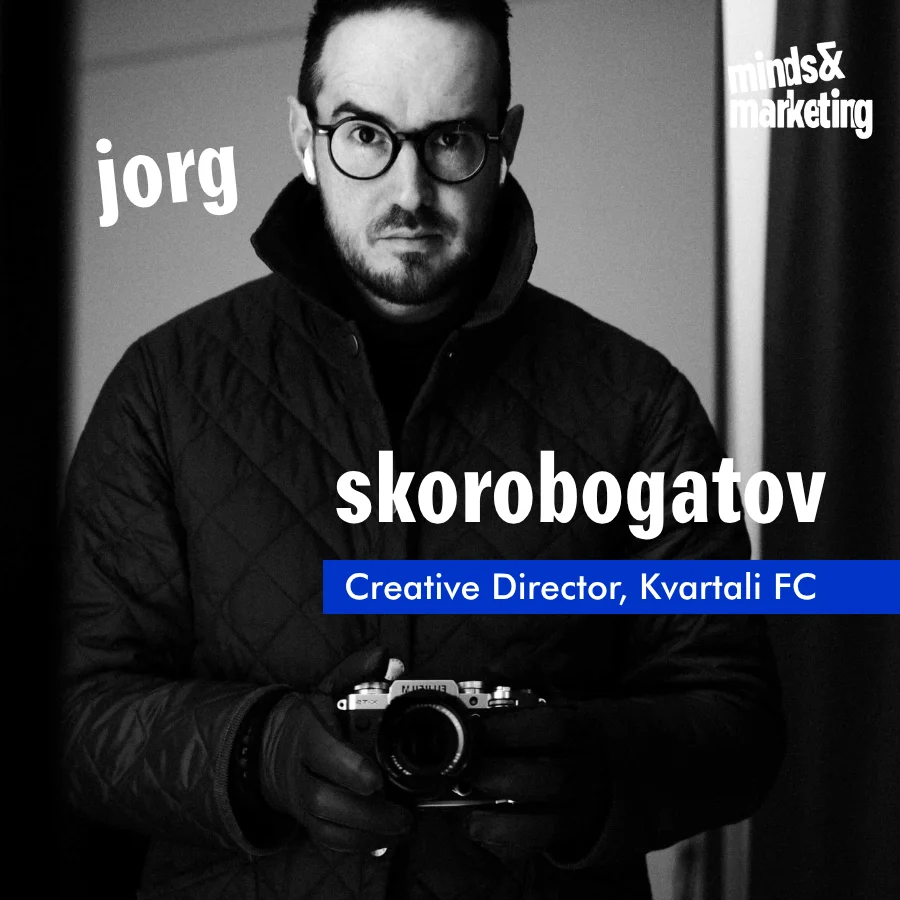
“I believe everything ultimately comes down to trust and real stories. People are drawn to authenticity — and it is this human connection that drives true engagement.
Women’s football is not a different sport. At its core, it is simply football — with its own language, rhythm, and emotion. In photography, the goal is not to exaggerate, but to represent reality as it is. Capturing authenticity matters far more than trying to construct it.
Personally, my ambition is for the club to become sustainable and capable of growing independently. While volunteering is incredibly meaningful and rewarding, long-term development ultimately depends on financial independence. ”
summary – what’s next for women’s football?
Women’s football is growing fast, but its commercial potential is still not fully realized. The audience is expanding, interest is rising, and the market is becoming more structured—yet investment still lags behind.
Globally, the direction is clear: women’s football is becoming a business. Backed by FIFA and UEFA, the next phase will be defined by commercialization and professionalization.
In Georgia, the foundations are forming. And for brands, this is the moment where early moves create disproportionate value.
Those who enter first, win.
photo: Jorg Skorobogatov