
“don’t stop” & “believe in yourself”
the battle for the target consumer
What does it really take to reach our goals - to set an intention and actually achieve it?
We need to want it deeply;
We need to try - persistently;
We must not stop;
And above all - we must believe…
Sounds familiar, doesn’t it? But before we go any further, let’s rewind the tape just a little.
7 October, 2019
The Bank of Georgia told us for the first time: “Life is a verb. Act. Don’t stop.”
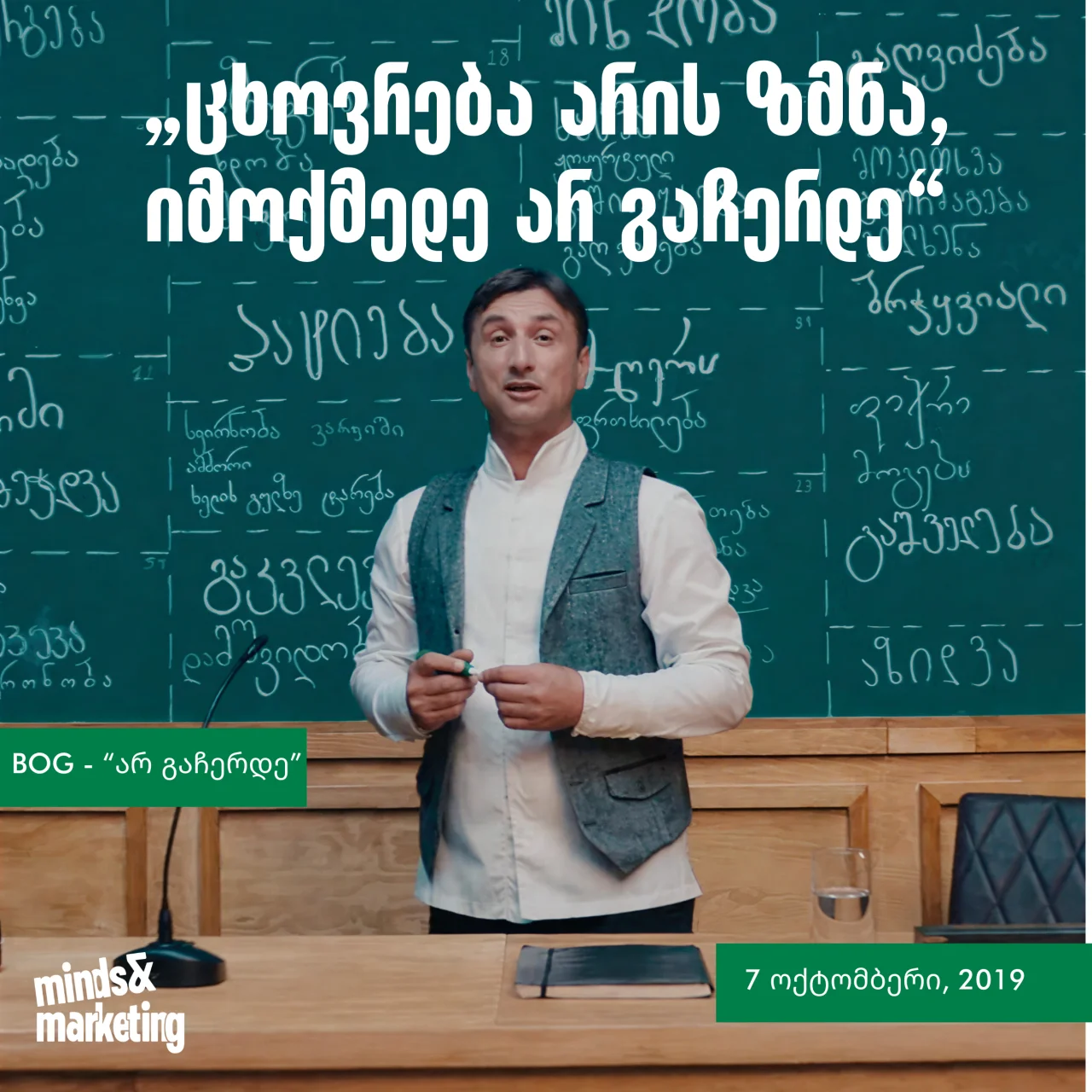
And shortly after, everything stopped. Literally.The pandemic. A new reality - motionless, uncertain.
Exactly when the world froze, the brand’s core message suddenly felt out of place. It became a creative and strategic challenge - yet the Bank of Georgia handled it impressively. They found their path back to relevance and reminded us again: “There’s always a way. Don’t stop.”
A timeless message that fits every context: movement is always the right decision.
Year after year, the platform added layers: “Your possibilities are limitless”, "The best decision is to never stop", “The possibilities of humanity are limitless”.
Then came the sports narrative: “Don’t stop, Georgia.” Followed by a national triumph: “Georgia is in great shape.” A bold bet the bank placed on the national football team - and they scored. Not just the team. The Bank of Georgia scored too.
Let’s go back again.
20 May, 2020
TBC’s new brand platform: Here.Now.
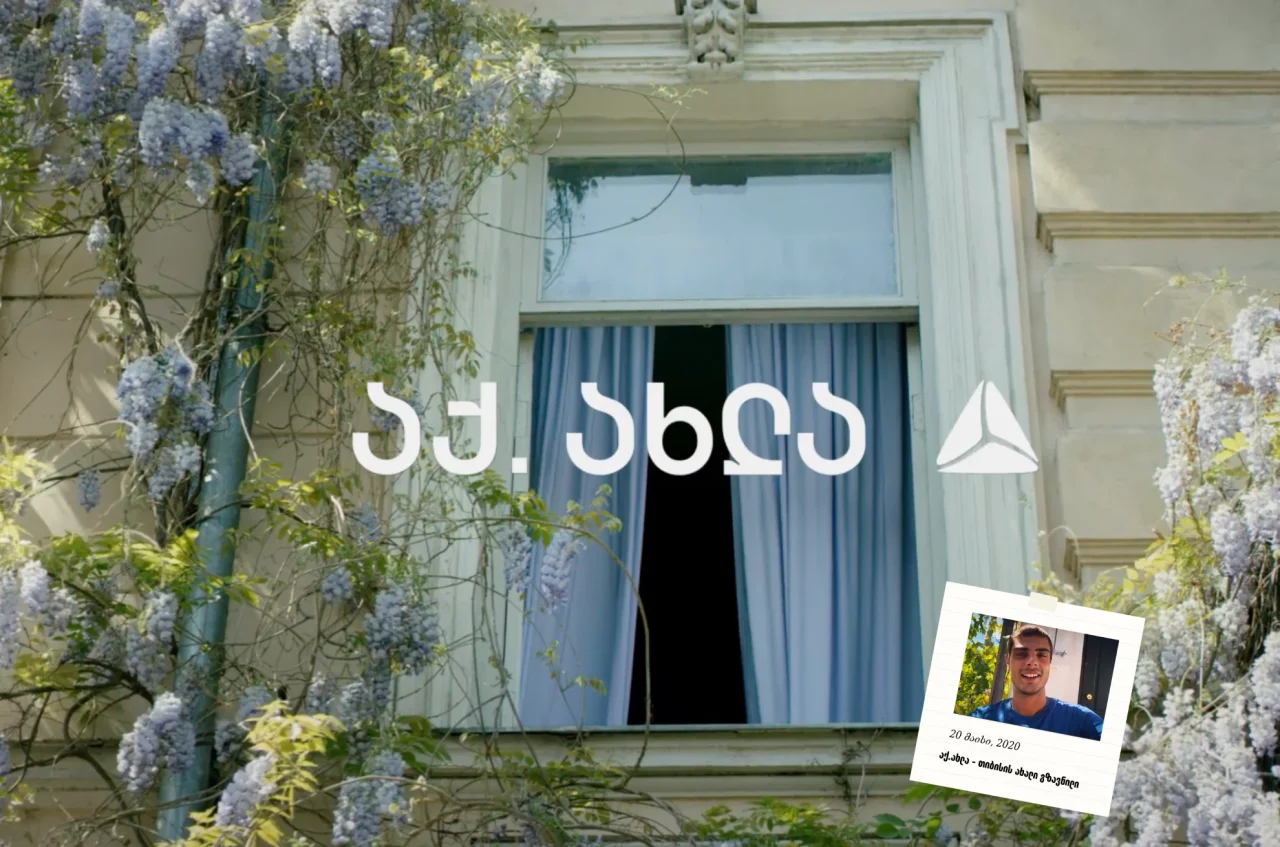
Exactly when the pandemic immobilized everything and everyone, TBC told us: “Hello - whoever you are - we’re always right beside you. Here. Now.”
Timely. Contextual. Present. A reminder about the value of the moment - the importance of being grounded in now. A reminder, yet not a memory that stayed.
Because if we trace the brand platform over the following years, it didn’t evolve much. TBC communicated mostly on a campaign-by-campaign basis, leaning toward product marketing.
Their manifestos appeared mainly on Independence Day - 1 day that TBC has never allowed to pass without a bold, defining campaign - and the same goes for Bank of Georgia.
Despite the relevance of “Here.Now.”, in a post-pandemic stillness, movement turned out to be the stronger, more relatable message. And naturally, “Don’t stop” came closer, felt warmer, and became part of our cultural language. So much so that it even made its way to 4GB Festival - a smart, strategically precise move by the brand to get closer to its target audience.
Perhaps I’m subjective - possible. But while the Bank of Georgia kept pushing the message firmly, boldly, and consistently, “Here.Now.” slowly faded from memory.
Looking at the bigger picture, 10 years ago TBC said its first #hello. Later, that message was followed by #whoeveryouare, #comehere, #you, #foryou, #here.now, and now #alwayswithyou. What mattered most was that each of these messages carried a belief: the brand was saying exactly what the consumer needed to hear “here and now.”
But times change — perspectives shift, challenges evolve… and it seems that this year, the time has come for something truly new.
24 April, 2025
The fire ignited - and the game began.
When You Believe - Giorgi Mamardashvili x TBC. A powerful collaboration that set the tone for something bigger.
The real “first whistle” came on 8 May, when TBC introduced its new brand platform: Life is one big discovery and adventure - where nothing is impossible, as long as you believe.

A narrative built on two pillars: Self-belief as a foundation; Courage as an inner force. Maybe all this time, TBC had been preparing for this shift - which explains the passive phase of Here.Now.
Bank and Self-belief. Bank and Football. Yes - it feels familiar. Seen before. A territory one bank has already walked before. I read many opinions. I listened. I thought. Then decided to write. And just when I thought the dust had settled - the game was still very much on.
4 September, 2025
Ambition Doesn’t Step Back
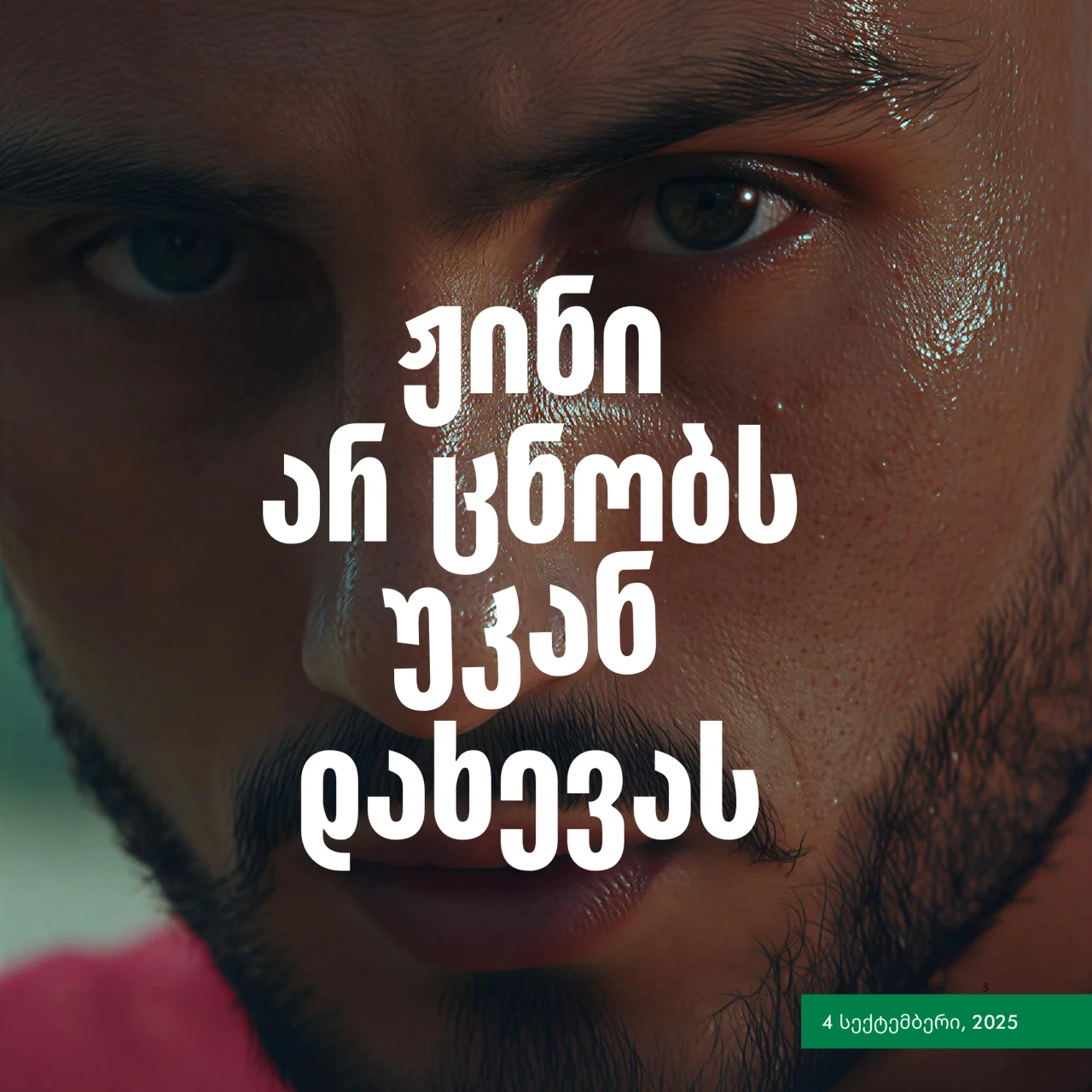
Giorgi Kochorashvili’s determined gaze – and a bold, sharp comeback from the Bank of Georgia. It was as if they were waiting for the moment: BOG reacted to the competitor almost instantly and launched a new campaign called “Drive” (determination, relentless energy, the fire that pushes you limits.).
They didn’t surrender their ground. They protected the platform they had built: Don’t stop. Possibilities are limitless. Believe in yourself. This time with the fiery tonality of pure competitive energy – channelled through a principled, tough athlete. A good move.
Is it a competitive war? – Yes.
For whom? – For the target consumer.
Did one of them get closer to the audience first? – Clearly, yes.
Does that ultimately matter? If you ask me – not really.
Why? – Because this is competition.
Two cases from the past year illustrate this perfectly:
1. Coca-Cola vs Pepsi – Functional Drinks
Coca-Cola spotted a growing niche: functional beverages. They launched Simply Pop. Within a month, Pepsi countered – not by creating, but by acquiring Poppi, an already strong functional brand with established equity.
This is a pure competition. A newly emerging category becomes visible – competitors enter fast. Who enters first matters strategically; But functionally, both enter anyway.
2. Adidas & Nike – Shifting The Narrative
Last year, Adidas retired its 20-year platform Impossible is Nothing, introducing a gentler, more optimistic narrative: You Got This.
Months later, Nike followed – refreshing its 40-year legend Just Do It into: Why Do It.
After years of pressure-filled, aggressive calls to push limits, both brands shifted together toward emotional support, reassurance, and humanity. The target? A new generation – anxious, doubtful, overwhelmed. A generation for whom courage to start matters more than winning. Both narratives converged – naturally.
So what does this mean for Georgian banks?
Competitive battles are more complex than “copying.” Yes, parallels exist between Coca-Cola/Pepsi, Adidas/Nike, and TBC/Bank of Georgia. But the real question is: What stands behind these decisions? And who are they speaking to?
As I said – the youth. A new generation entering the market. A segment with shared concerns, shared desires, shared cultural cues.
Strong brands with strong intellectual capital recognize these shifts – and adapt their platforms accordingly.
So if we see overlaps between their platforms, it means: They identified the same target. They listened. And they spoke the target’s language – to build trust, resonance, and long-term connection.
We are past the era of “product competition.” Features don’t win hearts. Emotion, meaning, and brand value do. Everyone is fighting for the same thing: the heart of the target consumer.
In small markets like ours, the youth segment is even smaller – more unified in desires, fears, and cultural passions. Today, that passion is football. Tomorrow it may be something else.
Could TBC have delivered the message differently? Of course – at least without verbal overlaps. They could’ve opened with a UFC champion instead of a footballer, for example. But brand platforms aren’t that simple. They’re complex systems shaped by context, research, and strategic choice. So they lit the fire intentionally – and entered the arena.
And ultimately – it’s not the brand promise that matters. It’s the brand fulfilling that promise.
Not the message – but the experience. So it matters less who says what and when; It matters what they actually do.
The point is…
This article isn’t a critique. It’s a summary. A reminder that competition is neither victory nor defeat. It’s a process that – under the right conditions – benefits everyone.
This is how brands are built. This is how case studies are born – the ones we’ll still discuss years from now.
Good luck to all competitors. And let’s use the moment wisely:
More focus.
More investigation.
More analysis.
Mariam Bebiashvili
19.11.2025
The photographic materials used in the visuals belong to respective brands and constitute their intellectual property.