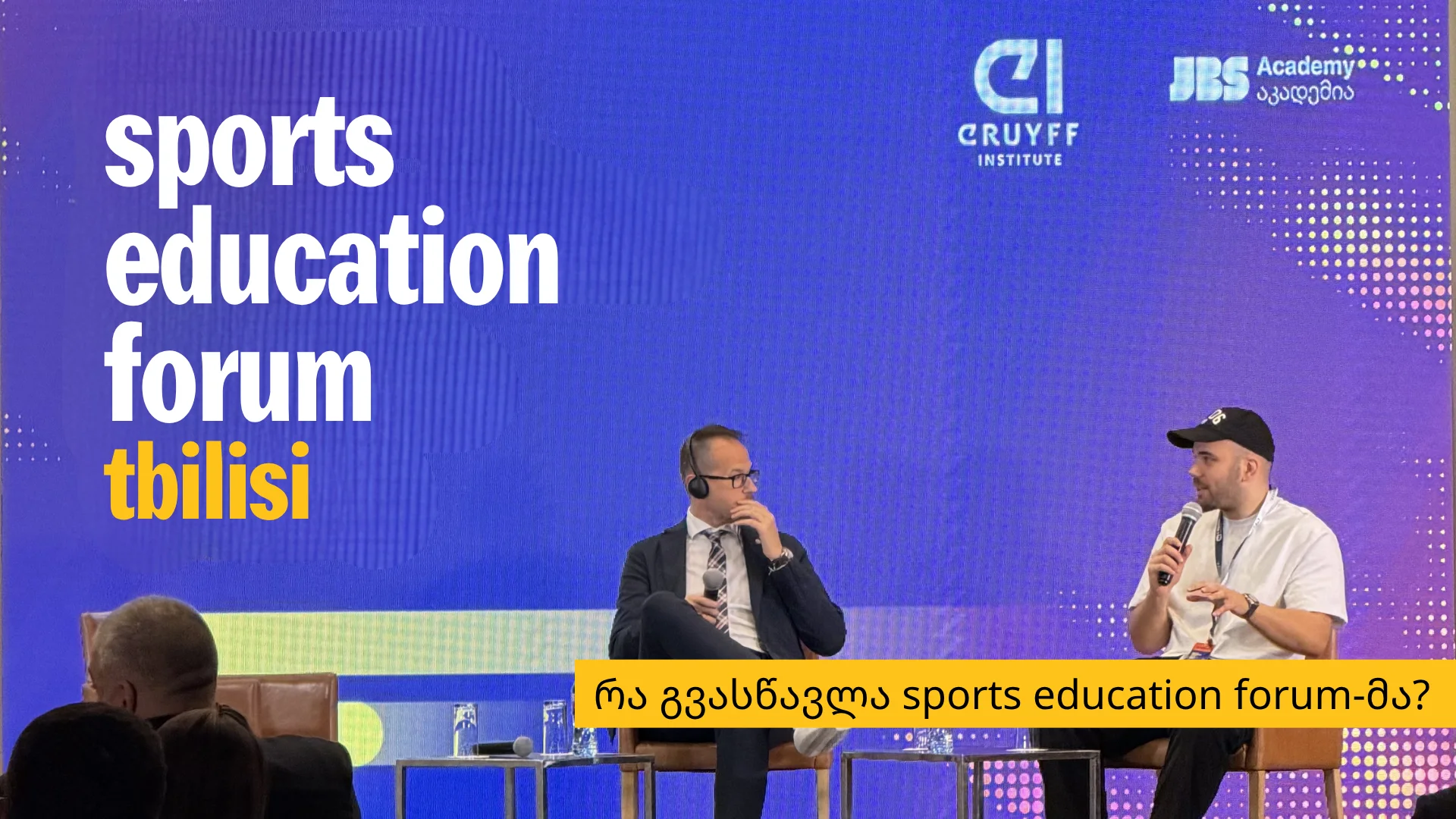
fan engagement, data, and sportainment:
what the sports education forum taught us
Sports education in Georgia is becoming increasingly relevant by the day. Not long ago, topics like sports marketing, athlete branding, and related disciplines were unfamiliar to many. Today, these conversations are taking center stage through forums where industry leaders actively share their knowledge and experience with a local audience.
Education is the foundation upon which the future of Georgian sports clubs and brands must be built. We’ve spoken more than once about the “grey gaps” that still exist within the local sports industry. Filling those gaps is only possible through education, a clear strategic vision, and—most importantly—the engagement of a new generation driven by a genuine passion for sport.
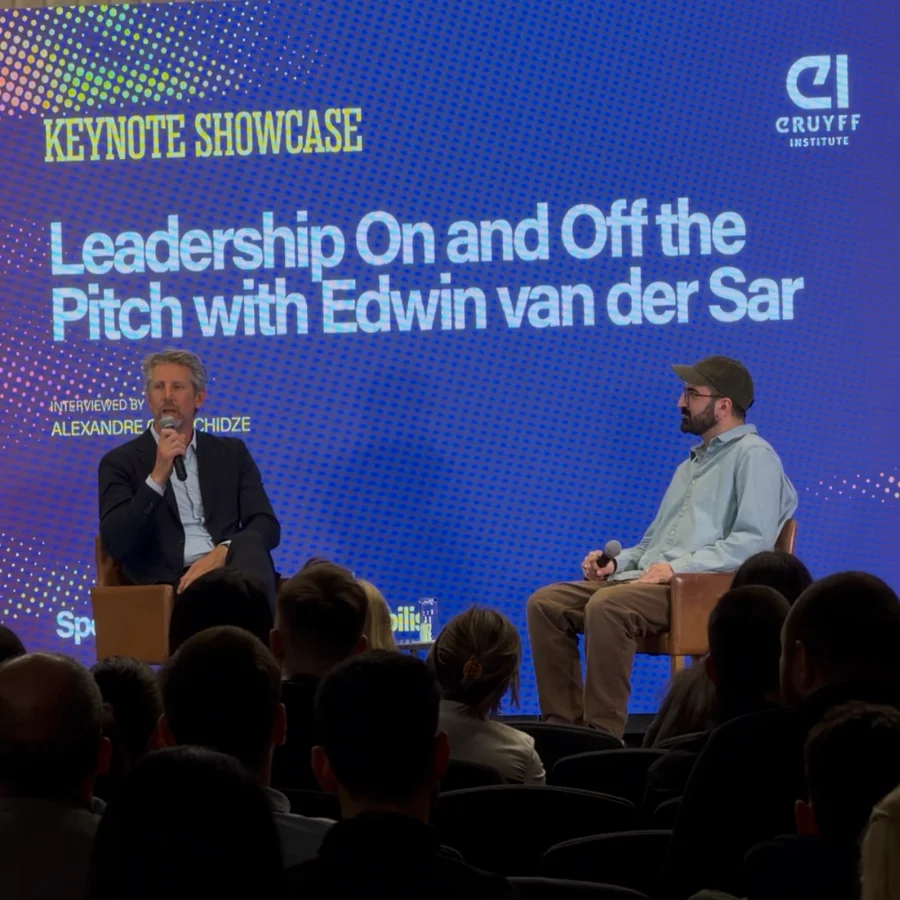
Data-driven sports marketing, fan engagement strategies, leadership on and off the field, the importance of mental health in sports—these were just a few of the themes explored at the Sport Education Forum, held in Tbilisi for the second time by JBS Academy and Johan Cruyff Institute. For us, as both sports and marketing enthusiasts, it was another opportunity to closely observe industry trends and share the most valuable insights with you.
data as one of the most powerful tools in sports marketing
The forum opened with a focus on the role of data. In a digital-first world, it’s no surprise that marketing thrives on data—but what’s often overlooked is that data collection extends far beyond digital platforms.
RC Celta de Vigo, a Spanish football club competing in La Liga, offers a compelling example of this approach. Nathan Lutch, the club’s Revenue Marketing Manager, shared Celta’s model of turning fan engagement into tangible value.
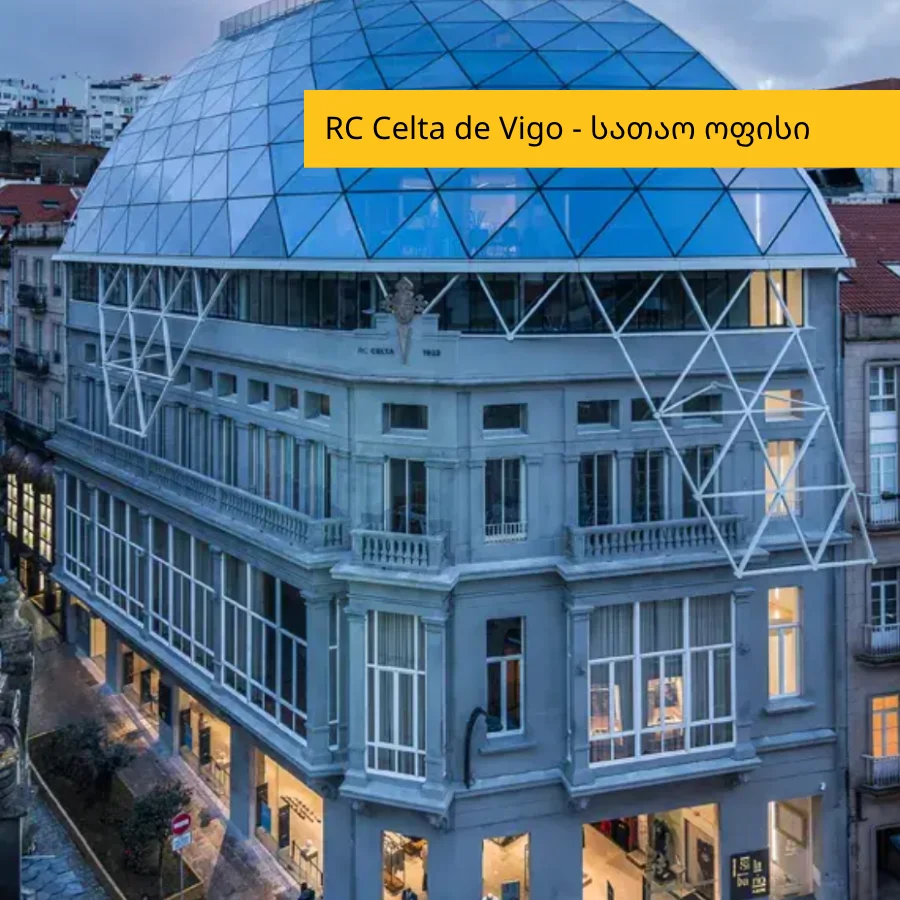
The club’s headquarters is a multifunctional space designed not only for football fans, but for a much broader audience.
If you expect to find just a sports shop or a standard office, you’ll be surprised. The space includes:
- a commercial retail area on the ground floor
- a sports-themed gastro bar
- a multifunctional conference hall for approximately 300 people
- residential facilities for academy players
- a medical and sports services center
- club offices and operational headquarters
- a Michelin-star restaurant
- a terrace with city views
So why does a club need all of this?
This is not just about generating revenue. It’s a strategic ecosystem that allows the club to:
- attract diverse audience segments beyond core fans
- increase physical footfall
- collect rich, multidimensional data
Because the reality is simple: you don’t need to be a football fan—or a Celta supporter—to enter this space. But every action you take there—whether it’s making a payment, moving through the space, or connecting to Wi-Fi—becomes data. And that data enables Celta’s marketing team to understand you better and, ultimately, convert you into a customer.
This is a clear shift from transactional sports marketing to experience-driven ecosystems, where data becomes the key asset and the goal is long-term relationship building.
fan-centric experiences
Today, no sports brand or club can succeed without deeply understanding its fans—because they are the center of the entire ecosystem. Without them, sport loses its meaning.
Every product or initiative must reflect the diversity of fan segments. Working on merchandise? You need to think about what appeals to each type of fan individually. Planning a marketing campaign? You need to understand what your audience actually wants to hear from you.
Sales are no longer the priority—relationships are.
The traditional “sell, sell, sell” approach no longer works in sports marketing. Success is built on a deep understanding of the fan: what they enjoy, what they value, what they respond to—and building products and campaigns around those insights.
Because ultimately, fans create the atmosphere. They fill stadiums, show up for matches, and amplify the brand’s energy.
If you truly listen to them and build strategies around their interests, fans stop being just consumers. They become your marketers—and your most authentic content creators.
sportainment – sport as an entertainment industry
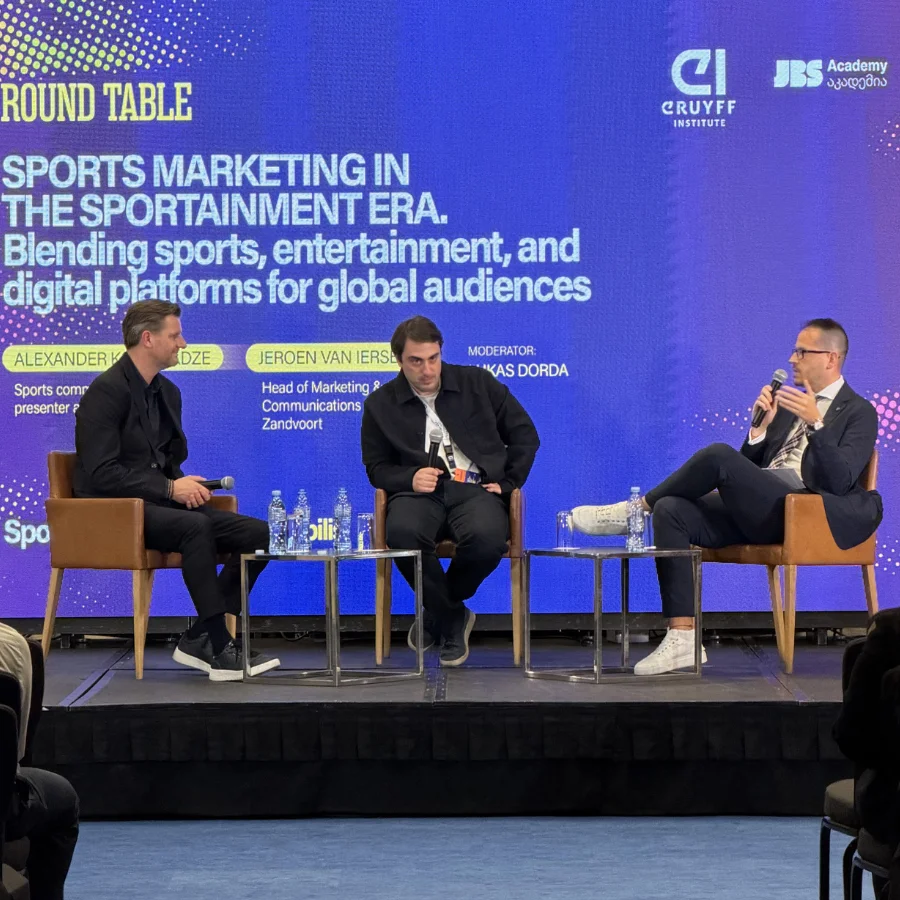
Today, sport and entertainment are inseparable. This was a key theme highlighted by Jeroen Van Lersel, Head of Marketing at Formula 1’s Zandvoort circuit.
Since Liberty Media acquired Formula One, the sport has significantly evolved in terms of showmanship:
- concerts integrated into Grand Prix weekends
- “Drive to Survive”
- diverse marketing activations
- entertainment-driven content from drivers
- enhanced pre- and post-race experiences
All of this points to one reality: sport is no longer just a game—it’s a full-scale experience.
If you want fans to attend matches, performance alone is no longer enough. You need to create an experience that:
- attracts audiences
- keeps them engaged throughout
- builds an emotional connection with the brand
Unfortunately, this is where Georgian sport still struggles. In many cases, there is neither a clear strategy nor a consistent effort to engage fans—and the results reflect that. While European clubs are building experiences, in Georgia, a match often remains just a match.
what should we expect?
Forums like this serve as an important reality check for the Georgian sports ecosystem. They give us the clarity to see where we stand today, what needs improvement, and most importantly—what steps are required to move forward.
Key takeaways:
- sports clubs must begin investing in marketing systematically
- they need to deepen and elevate communication with fans
- they must adopt a culture of data-driven decision-making
- they should actively transform sport into a full-scale entertainment industry (sportainment)
But none of this will happen on its own. It requires:
- real investment in education
- the involvement of forward-thinking professionals
- and most importantly—long-term strategic thinking
This combination is what will ultimately shape the future of Georgian sport. And we’re genuinely glad to play our small—but meaningful—part in that process.