world cup 2026 & marketing
bridging global to local
what are brands preparing for us?
Once every four years, the world aligns around a single phenomenon - football.
The World Cup stands as one of the most expansive global events, capable of uniting people across race, nationality, generation, and interest. For brands, it represents an unparalleled stage - an opportunity to engage billions. At its core, it is a battle for attention, where victory doesn’t necessarily belong to the brand with the best product, but to the one that integrates most organically into the football ecosystem. Because football today is no longer just a sport - it is culture, emotion, and lifestyle.
With 7 days still remaining before kickoff, brands have already entered the marketing arena. We explored, analyzed, and curated some of the most compelling campaigns - leaving the final judgment of a “winner” to you.
But our primary focus remains the Georgian sports ecosystem. So alongside global case studies, we also examine what’s happening locally: how Georgian brands are responding, and what lessons they can extract from global strategies.
world cup and marketing
Football is no longer sold as a sport - it is positioned as a culture. Brand campaigns clearly reflect this shift. The World Cup has evolved into a lifestyle and entertainment ecosystem, deeply interconnected with industries such as fashion, gaming, creator culture, music, travel, and fandom.
Modern football marketing has moved far beyond traditional sponsorship. It is now a multi-layered phenomenon, shaped in part by the hype economy - where brands launch teaser campaigns months in advance to build anticipation, emotional investment, and engagement.
At the center of this ecosystem is Gen Z - a generation that largely ignores traditional sponsorship messaging but actively engages with content that feels native to football culture: TikTok videos, memes, fan edits, and player-driven storytelling.
athlete storytelling over product-driven advertising
Today’s footballers are no longer just brand ambassadors - they are media brands in their own right. As a result, modern campaigns focus less on performance metrics and more on personal narratives and identity.
Brands increasingly highlight players’ daily routines, mindset, psychological depth, cultural background, fashion choices, and emotional journeys. The reason is simple: emotionally driven storytelling is a far more powerful marketing tool than product-centric communication.
Contemporary sports marketing no longer sells products - it sells emotion, attitude, and identity. It creates narratives that fans can see themselves in.
This approach is exemplified by industry leaders like Adidas and Nike. Their campaigns rarely emphasize product quality directly. Instead, they center around themes such as pressure, legacy, identity, and self-expression.
the numbers speak for themselves
According to FIFA, all 16 global sponsorship slots have been fully sold, making this the most commercially successful program in the organization’s history.
The tournament is expected to reach approximately six billion people across platforms. Meanwhile, demand for tickets has surpassed 500 million, with around 90% of available tickets already sold.
what are brands preparing?
Let’s take a closer look at how key brands are activating ahead of the World Cup.
Ahead of the 2026 World Cup, Coca-Cola once again demonstrates that sponsorship can extend far beyond logo placement. Its “Feel It All” campaign positions football not just as a tournament, but as a shared emotional experience embedded in everyday life.
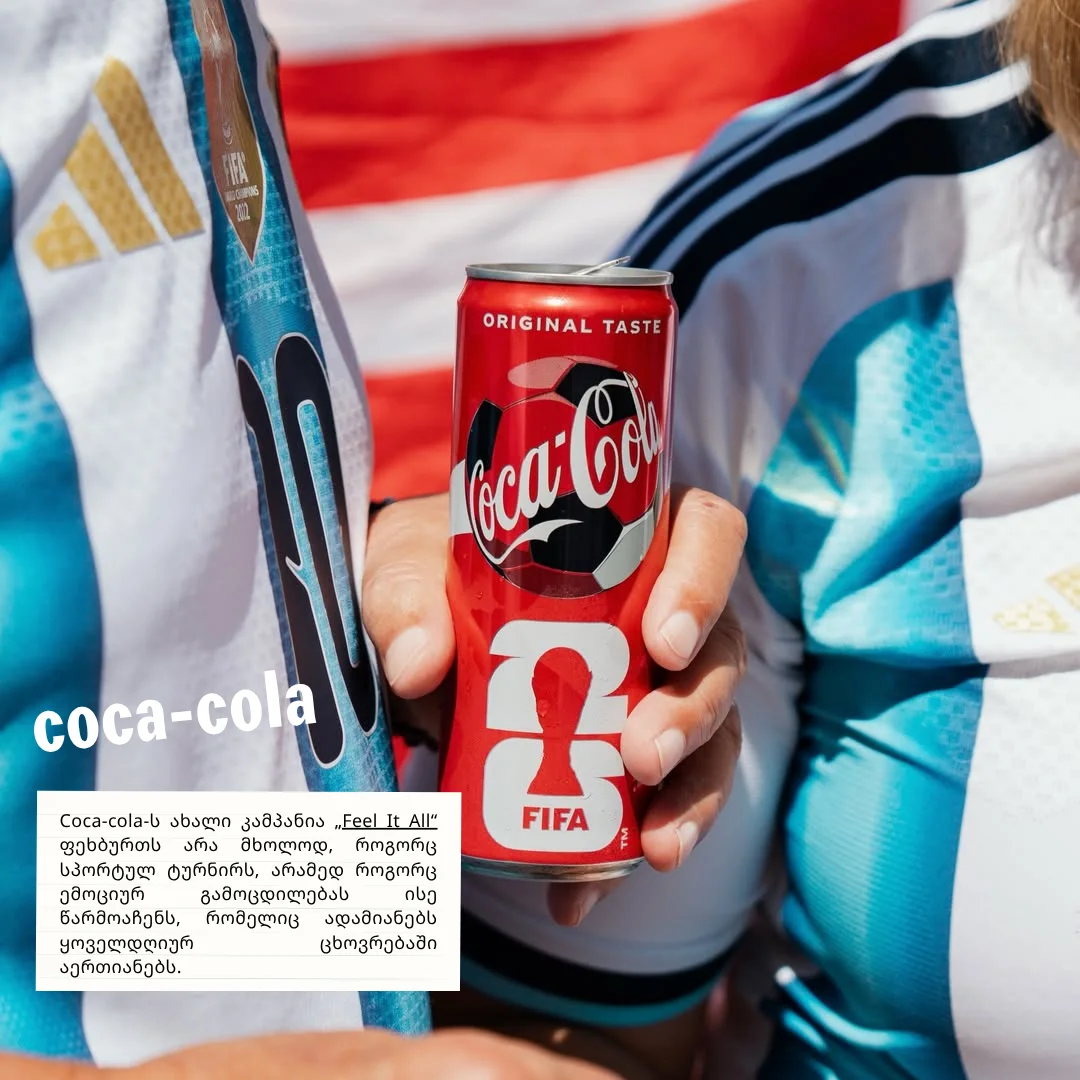
The campaign integrates multiple dimensions to expand the experience beyond match viewing. A central element is the FIFA World Cup Trophy Tour - a global activation designed to build emotional anticipation before the tournament begins.
Equally notable is the collaboration with Panini, combining physical and digital collectibles, interactive activations, and fan-driven experiences. By tapping into nostalgia, collecting culture, and fan identity, Coca-Cola deepens engagement without directly pushing its product.
At its core, the campaign doesn’t sell a beverage - it sells connection and shared experience.
Visa partnered with over 20 illustrators from different continents, allowing each to express their country’s culture, history, and football эмоtion through visual art.
The project extended into a physical exhibition in Miami in collaboration with KidSuper, while Pharrell Williams’ platform JOOPITER was used to amplify global reach.
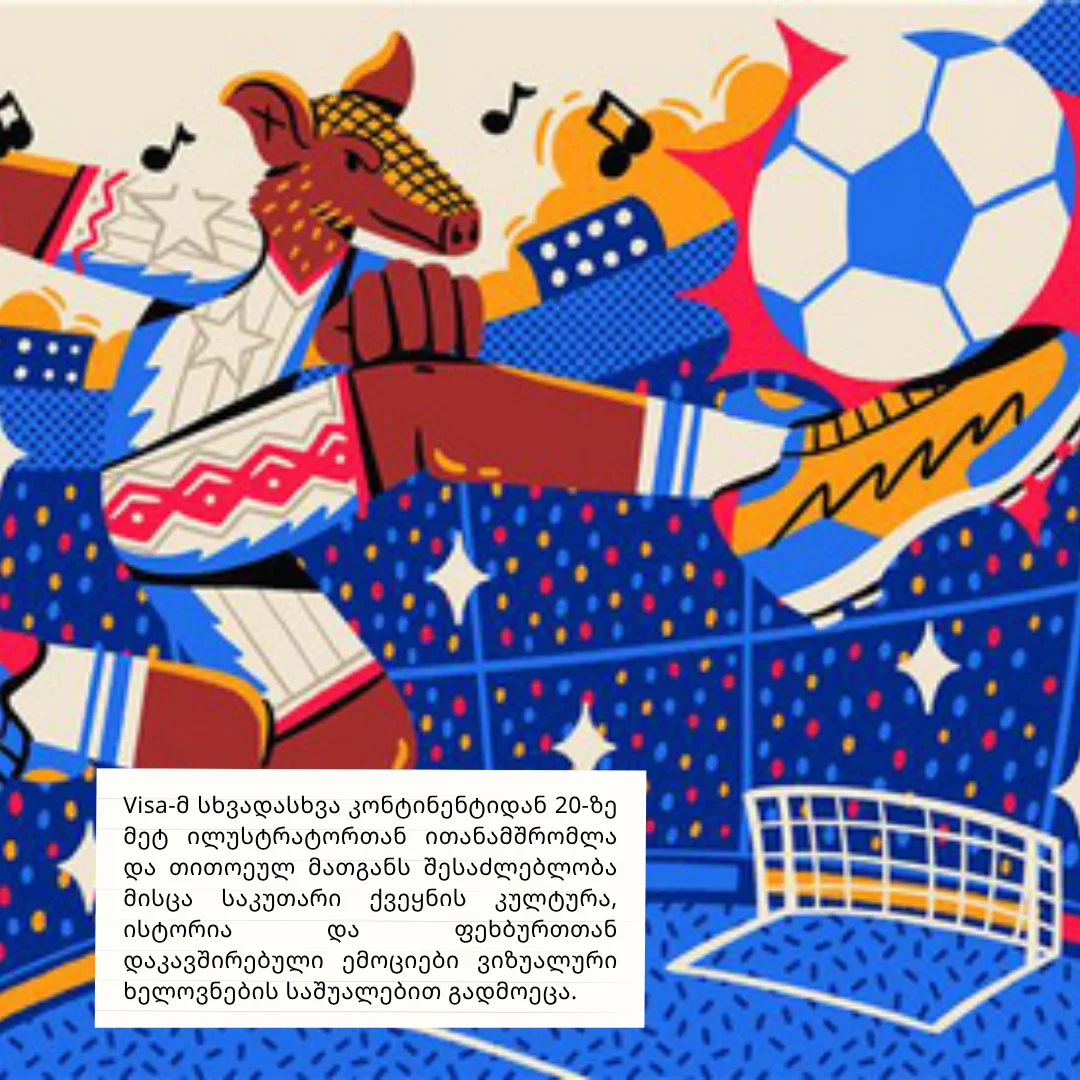
What makes this approach particularly compelling is its shift away from transactional messaging. Instead of focusing on payments, Visa uses football as a cultural language - one that connects diverse creative identities within a shared global narrative.
Hyundai’s campaign centers on fan experience, particularly among younger audiences. Through the “Be There With Hyundai” initiative, children from different countries were invited to design national team buses.
Winning designs will be featured on official team buses, with creators receiving travel packages to attend World Cup matches. The campaign transforms passive fans into active participants - embedding emotional ownership into the experience.
Adidas’ “Backyard Legends / You Got This” campaign reflects the evolution of modern sports marketing. The brand is no longer selling football gear - it is selling emotion, nostalgia, and youth identity.
The campaign merges football with music, cinema, and creator culture, featuring global figures such as Lionel Messi, Lamine Yamal, Jude Bellingham, Trinity Rodman, alongside Bad Bunny and Timothée Chalamet.
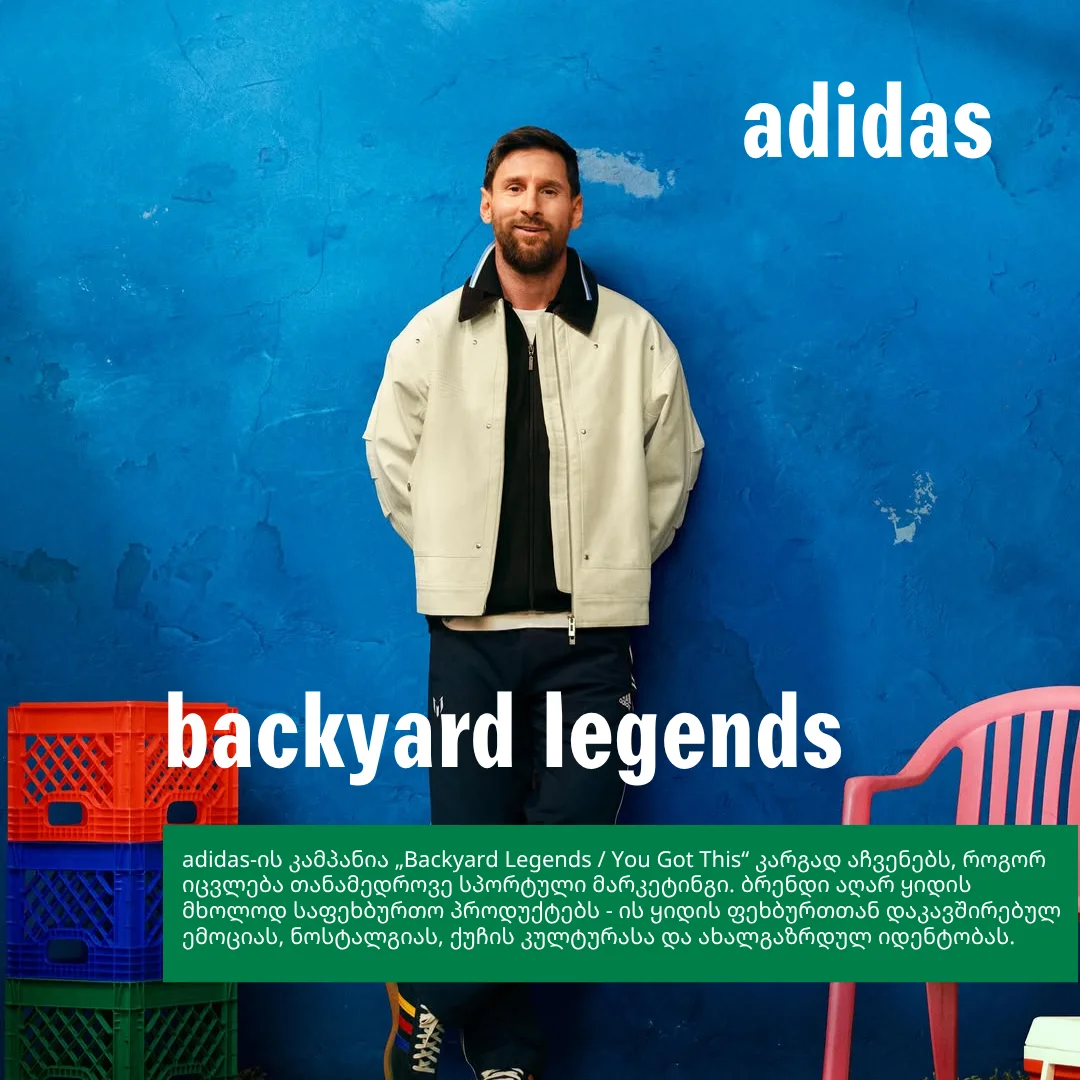
Visually, it draws on street football, 90s nostalgia, and themes of freedom and authenticity. The focus shifts from elite performance to the raw, cultural essence of the game.
In parallel, Adidas continues to invest in retro World Cup collections, reintroducing vintage kits and positioning football heritage within fashion culture.
Lenovo’s campaign stands out for its integration of AI into the live sports experience. Through its partnership with FIFA, the brand is developing the Football AI Pro system for all 48 teams.
This includes AI-powered 3D player avatars for broadcasts, offside visualization tools, and stabilized referee-cam footage - enhancing how audiences perceive and interact with the game.
what’s happening in the georgian market?
While Georgia’s national team will not participate in the 2026 World Cup, the scale of the tournament still presents a meaningful opportunity for local brands. Football, as a cultural force, offers a powerful entry point for engagement.
Georgia already has experience activating around major tournaments, as seen during the 2024 European Championship. However, that moment carried a unique emotional weight - supporting the national team on a major stage.
The challenge now is different: how can brands remain relevant without direct national representation?
This is where strategic thinking becomes critical. Large-scale tournaments can serve as a “rehearsal space” for brands to experiment with communication, engagement, and cultural positioning during global events.
At present, the Georgian market is not saturated with World Cup-specific campaigns. Coca-Cola, for example, primarily localizes its global messaging rather than building deeply local narratives.
A more localized example is Betsson Georgia’s YouTube campaign, “American Football Is Here”, which offers studio content, match analysis, fantasy formats, and ongoing coverage throughout the tournament. It’s a strong case of how consistent, context-driven content can outperform one-off activations.
At the same time, public viewing events in bars and shared spaces are becoming more common - signaling that football in Georgia is gradually evolving into a social and cultural experience.
where is the real opportunity?
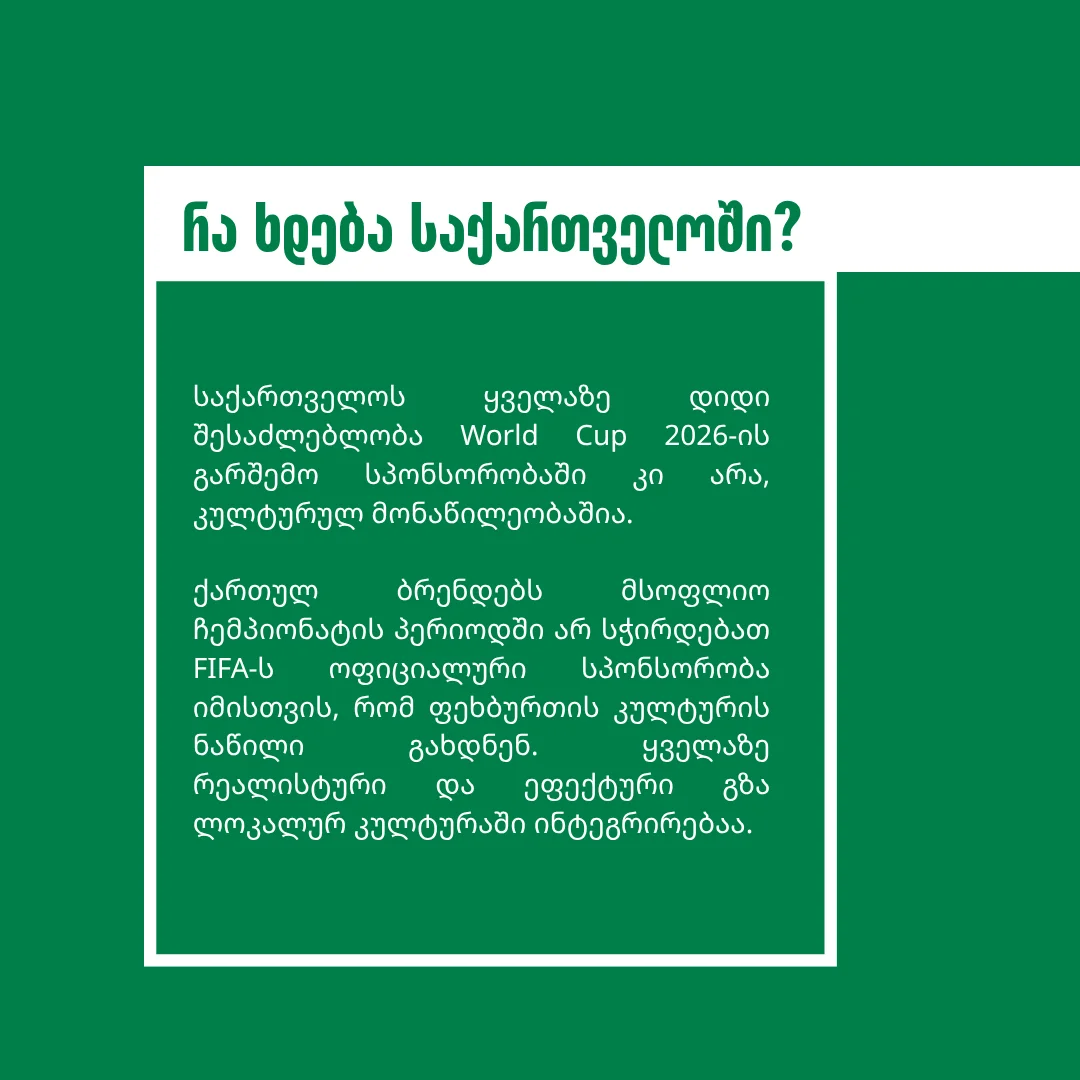
For Georgia, the biggest opportunity around World Cup 2026 lies not in sponsorship, but in cultural participation.
Brands don’t need official FIFA partnerships to become part of football culture. The more effective path is local integration. This can take the form of public viewing zones, collaborations with creators and TikTok influencers, merchandise drops, lifestyle content, UGC-driven campaigns, and support for grassroots football communities.
Equally important is leveraging the intersection of football with music, fashion, and youth culture - while partnering with local venues to create match-day experiences.
Most importantly, brands must move beyond treating football as a trend. The World Cup is an opportunity to act not as advertisers, but as participants in a living cultural ecosystem.
to sum up
World Cup 2026 is not just a football tournament - it is a global cultural phenomenon and a competitive arena for attention.
In modern sports marketing, the largest budgets don’t necessarily win. The advantage belongs to those who best understand the power of fans, culture, and emotion.
Georgia may not be on the pitch this time, but that doesn’t mean Georgian brands are out of the game. On the contrary, this is their moment to learn, experiment, and define their role in the evolving landscape of sports marketing.
Because ultimately, the belief remains - the day will come when we see our national team on football’s biggest stage.